






Introduction
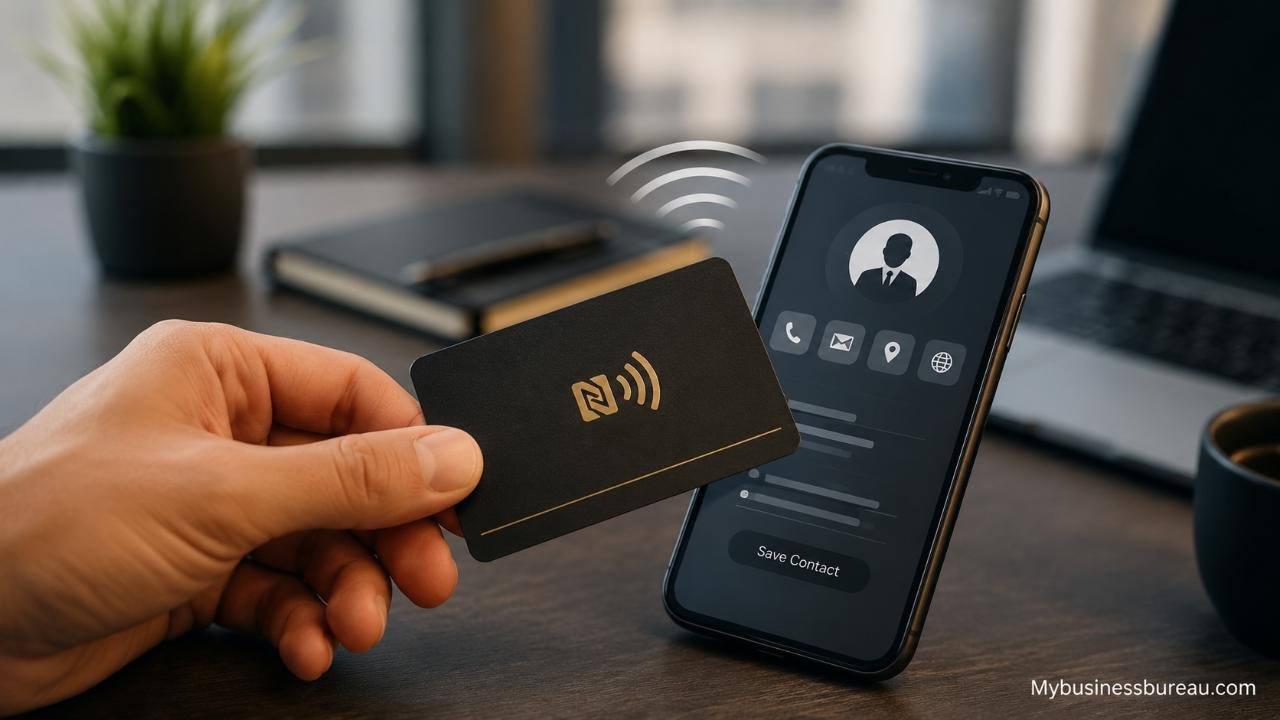
NFC business cards have transformed the way professionals exchange contact information, making networking faster, more interactive, and environmentally friendly. Instead of handing out traditional paper cards that can be misplaced or discarded, NFC business cards allow users to share contact details, social media profiles, portfolios, websites, payment links, and more with a simple tap against a compatible smartphone.
As digital networking continues to evolve, professionals, entrepreneurs, freelancers, sales teams, and businesses are increasingly adopting NFC technology to create memorable first impressions while simplifying follow-up communication. This guide explains everything you need to know about NFC business cards, including how they work, how to choose the right card, how to program one, best practices for professional use, security considerations, and the leading platforms available today.
Set Up an NFC Business Card for Professional Networking
Getting started with an NFC business card is surprisingly simple. Most providers offer a ready-made platform that allows you to create your digital profile before linking it to your physical card.
The first step is choosing an NFC-enabled card made from materials such as PVC, metal, bamboo, wood, or recycled plastic. After purchasing the card, you’ll register it through the provider’s platform and customize your profile with your contact details.
Typical profile information includes:
- Full name
- Company
- Job title
- Phone number
- Email address
- Website
- LinkedIn profile
- Portfolio
- Calendar booking link
- Social media accounts
- Payment links
- Digital brochure
Once configured, every tap directs recipients to your personalized landing page without requiring them to install an app.
Understand How NFC Business Cards Work
Near Field Communication (NFC) is a wireless communication technology that operates over very short distances, typically less than four centimeters. Inside every NFC business card is a tiny programmable chip that stores either a URL or digital information.
When an NFC-enabled smartphone comes close to the card, the phone automatically reads the stored information and opens the associated webpage or profile.
Most modern Android devices support NFC by default, while newer iPhones also read NFC tags automatically without additional apps.
The overall process looks like this:
| Step | Action | Result |
| 1 | Tap card against phone | NFC chip activates |
| 2 | Phone detects tag | Notification appears |
| 3 | User taps notification | Digital profile opens |
| 4 | Recipient saves contact | Information stored instantly |
Unlike QR codes, NFC requires no camera scanning, making interactions quicker and more seamless.
Choose the Best Material for Your NFC Business Card
The physical appearance of your NFC business card contributes significantly to your professional image. Different materials provide varying levels of durability, aesthetics, and cost.
| Material | Appearance | Durability | Best For |
| PVC Plastic | Modern | High | General business use |
| Metal | Premium | Very High | Executives |
| Wood | Natural | High | Eco-conscious brands |
| Bamboo | Sustainable | Medium | Green businesses |
| Recycled Plastic | Eco-friendly | High | Sustainable companies |
Metal cards often create the strongest impression, while wooden cards are popular among creative professionals. PVC cards remain the most affordable and versatile option.
Businesses should also consider finish options such as matte, gloss, brushed metal, embossed logos, and custom printing to reinforce brand identity.
Customize Your Digital Business Profile

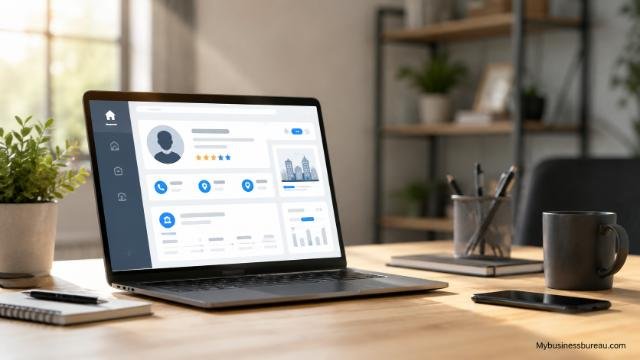
A digital business card is much more than contact information. It serves as a central hub for your professional presence.
A well-designed profile should immediately communicate who you are and what you offer. Include a professional headshot, concise biography, company branding, and clear calls to action.
Useful additions include:
- Resume
- Product catalog
- Company video
- Appointment scheduler
- Testimonials
- Portfolio gallery
- Online store
- Event registration
- Customer reviews
- Downloadable files
Updating your information takes only seconds, eliminating the need to reorder printed cards whenever your details change.
Program an NFC Business Card Correctly
Programming an NFC business card typically involves associating the embedded chip with a web address generated by your provider. Most commercial providers handle this automatically.
If you’re using a rewritable NFC chip, programming software or mobile apps allow you to write:
- URLs
- Contact cards (vCard)
- Phone numbers
- Email addresses
- Wi-Fi credentials
- SMS templates
- Geographic locations
Many NFC chips can also be locked after programming to prevent unauthorized changes.
Testing the card on multiple devices before distributing it ensures compatibility and provides a smooth user experience.
Compare NFC Business Cards with Traditional Business Cards
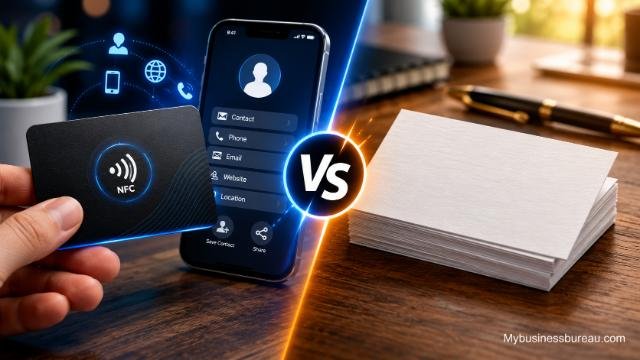
Traditional paper business cards have served professionals for decades, but digital networking introduces significant advantages.
| Feature | NFC Card | Paper Card |
| Unlimited updates | Yes | No |
| Interactive links | Yes | No |
| Video support | Yes | No |
| Portfolio sharing | Yes | No |
| Contact saving | Instant | Manual |
| Analytics | Available | None |
| Environmentally friendly | Yes | Limited |
| Reusable | Yes | No |
Paper cards remain useful in situations where smartphones are unavailable, but NFC cards offer substantially greater flexibility and engagement.
Many professionals choose to include both NFC functionality and a printed QR code for maximum compatibility.
Share Contact Information More Effectively
An NFC business card removes many of the friction points associated with traditional networking. Instead of asking someone to manually enter contact information, the card transfers everything instantly.
Recipients can:
- Save contacts
- Visit websites
- Connect on LinkedIn
- Schedule meetings
- Follow social profiles
- Download brochures
- View product catalogs
- Watch introduction videos
This streamlined process improves the likelihood of meaningful follow-up after networking events.
Sales professionals particularly benefit because prospects can immediately access product information without searching online.
Integrate NFC Business Cards into Marketing Strategies
NFC business cards extend beyond networking and become valuable marketing tools when integrated into broader campaigns.
Businesses frequently connect their cards to:
- Lead capture forms
- CRM systems
- Email marketing
- Product demonstrations
- Promotional videos
- Customer surveys
- Digital catalogs
- Landing pages
- Event registrations
Marketing teams can also measure engagement through analytics provided by many NFC platforms. These insights reveal how often cards are tapped, which links receive the most attention, and how users interact with digital profiles.
Such data helps optimize future networking efforts and improve marketing performance.
Protect Privacy and Secure Your NFC Business Card
Although NFC technology is generally secure due to its short communication range, users should still follow good security practices.
Protect your digital profile by:
- Using trusted NFC providers
- Enabling secure HTTPS websites
- Avoiding sensitive personal information
- Locking rewritable NFC tags
- Updating passwords regularly
- Monitoring analytics
- Reviewing profile permissions
Organizations deploying NFC cards across large teams should establish policies governing profile management, branding consistency, and data privacy.
Security becomes even more important when cards link to customer portals or business applications.
Select the Right NFC Business Card Provider
Numerous providers now offer NFC business cards with varying features, pricing, and customization options.
When evaluating providers, consider:
- Card quality
- Digital profile customization
- Analytics dashboard
- CRM integrations
- Team management
- Branding options
- Subscription costs
- Mobile compatibility
- Customer support
- Security features
Some platforms focus on individual professionals, while others specialize in enterprise deployments for large organizations.
Businesses with sales teams often benefit from centralized management that allows administrators to update employee profiles from one dashboard.
Maximize Networking Success with NFC Business Cards
Using an NFC business card effectively involves more than simply tapping a phone. The overall networking experience matters.
Introduce yourself confidently before presenting the card. Explain that recipients only need to tap their phone against the card. After they access your profile, encourage them to save your contact immediately.
Follow up within 24 to 48 hours while the interaction remains fresh. Include references to your meeting and provide additional resources if appropriate.
Consistency across your digital profile, LinkedIn page, website, and marketing materials reinforces credibility and strengthens your professional brand.
Expand Business Opportunities with Team-Wide NFC Deployment
Organizations increasingly equip entire departments with NFC business cards to standardize branding and improve lead management.
A centralized system enables marketing teams to maintain consistent logos, messaging, and contact information across every employee profile. Human resources departments can quickly activate cards for new hires and update details when roles change.
Enterprise deployments also simplify event management. Sales representatives attending trade shows, conferences, or client meetings can instantly capture leads while providing prospects with accurate, up-to-date information. Integration with customer relationship management software further streamlines follow-up activities and reporting.
Measure Performance and Improve Digital Networking
One major advantage of digital business cards is the ability to monitor engagement. Unlike paper cards, NFC platforms often include analytics that reveal how recipients interact with your profile.
Common metrics include:
- Total card taps
- Unique visitors
- Geographic locations
- Device types
- Link clicks
- Contact downloads
- Meeting bookings
- Portfolio views
These insights help professionals understand which networking events generate the most engagement and which profile elements encourage action. Regularly reviewing analytics allows continuous improvement of your networking strategy and marketing materials.
Conclusion
NFC business cards represent a significant advancement in professional networking by combining physical branding with digital convenience. They eliminate the limitations of traditional paper cards, allowing instant sharing of contact information, websites, portfolios, appointment scheduling, and social media profiles through a simple tap.
Whether you are an entrepreneur, freelancer, executive, salesperson, or part of a large organization, NFC business cards provide a modern, sustainable, and highly efficient way to build relationships and leave lasting impressions. By selecting a quality provider, creating a polished digital profile, following security best practices, and using analytics to refine your approach, you can maximize the value of every networking opportunity.
FAQ’s
Most modern Android devices and newer iPhones support NFC reading. For older devices, many NFC cards also include a QR code as an alternative sharing method.
Yes. Most NFC business card platforms allow you to edit your digital profile at any time without replacing the physical card.
No. Most NFC business cards open a web-based profile directly in the recipient’s browser, so no app installation is required.
Yes. NFC communication occurs over a very short range, making unauthorized access difficult. Using trusted providers, HTTPS-enabled profiles, and locked NFC tags further improves security.
Yes. Many enterprise platforms offer centralized dashboards that allow administrators to manage employee profiles, branding, permissions, and analytics across an entire organization.
For most professionals, NFC business cards offer greater flexibility because they can be updated instantly, include multimedia content, provide analytics, reduce paper waste, and simplify contact sharing. However, many users combine NFC functionality with printed information or a QR code to ensure compatibility in every networking situation.


