




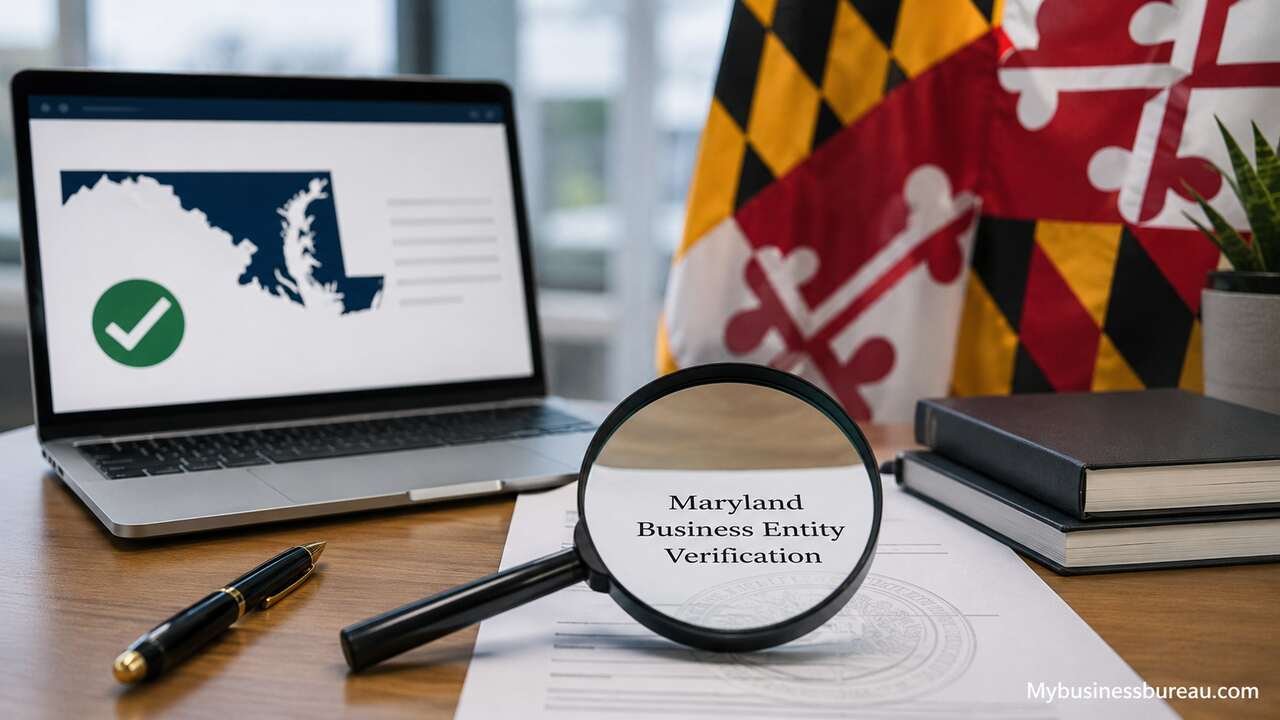
The MD SOS Business Search is the official tool provided by the Maryland Secretary of State and related Maryland business registration systems to help individuals, entrepreneurs, attorneys, lenders, and researchers locate information about registered businesses operating within Maryland. Whether you need to verify a company’s legal status, check business name availability, identify a registered agent, or review public filing information, understanding how to use the search system efficiently can save time and reduce compliance risks.
Business records are valuable for starting a company, conducting due diligence, confirming vendor legitimacy, researching competitors, and ensuring legal compliance. This guide explains every major aspect of the MD SOS Business Search, including search methods, available business information, common record types, filing statuses, limitations, and practical tips for obtaining accurate results.
Access the Maryland Business Search System
The first step is accessing the official Maryland business search portal. The online database allows anyone to search publicly available information about businesses registered in Maryland. The search is available around the clock and does not require creating an account for basic lookups.
The search system supports multiple lookup methods, making it easier to locate a business even when only partial information is available. Users can search using a business name, entity identification number, department identification number, or registered agent information depending on the available data.
The online database serves many purposes beyond simple verification. Entrepreneurs use it before selecting a company name, banks perform due diligence before lending, attorneys verify legal entities, vendors confirm customer legitimacy, and consumers check whether a business is actively registered.
Search by Business Name


Searching by business name is the most common method. Enter the complete business name whenever possible, although partial names also work in many cases.
Businesses may be registered under legal names that include designators such as:
- LLC
- Inc.
- Corporation
- Limited Partnership
- LLP
- Professional Corporation
Removing punctuation or using only the distinctive portion of the business name often produces broader results when an exact search does not.
For example, instead of entering “ABC Construction Services, LLC,” searching “ABC Construction” may reveal multiple related entities if the exact spelling is uncertain.
Business Name Search Tips
| Search Method | Best Use | Accuracy |
| Exact Name | Known legal entity | Highest |
| Partial Name | Unsure of spelling | High |
| Keyword Search | Broad research | Moderate |
| Entity Number | Known registration number | Very High |
Search Using an Entity Identification Number
An entity identification number is one of the fastest ways to locate a specific company because every registered Maryland business receives a unique identifier.
Unlike business names, identification numbers are unique and eliminate confusion caused by similar company names.
Using the identification number is particularly valuable for:
- Legal filings
- Government contracts
- Tax documentation
- Financial verification
- Corporate research
Professionals frequently rely on entity numbers because they remain consistent even if a business changes its public-facing name.
Verify Business Registration Status
One of the most valuable features of the MD SOS Business Search is determining whether a company remains in good standing.
Businesses may display different statuses depending on their filing history and compliance with Maryland requirements.
Common registration statuses include:
| Status | Meaning |
| Active | Business is registered and operating |
| Good Standing | Requirements have been met |
| Forfeited | Registration has been lost due to noncompliance |
| Dissolved | Business legally terminated |
| Revived | Previously inactive business restored |
| Merged | Combined into another business entity |
Understanding these statuses helps lenders, customers, suppliers, and investors evaluate potential business relationships.
Review Business Record Details
Each business record generally contains a collection of public information that assists users in identifying the correct company.
Typical records include:
- Legal business name
- Business identification number
- Formation date
- Entity type
- Current status
- Principal office address
- Registered agent
- Filing history
- Business classification
Some records contain additional filing details depending on the business structure and reporting requirements.
Reviewing these details helps distinguish businesses with similar names and confirms whether the organization is the one you intend to research.
Identify the Business Entity Type
Maryland recognizes several legal business structures, each with different legal responsibilities and reporting requirements.
Common entity types include:
Limited Liability Company (LLC)
LLCs provide liability protection while maintaining flexible management structures. They remain one of the most popular choices for small businesses.
Corporation
Corporations operate as separate legal entities owned by shareholders and managed by directors and officers.
Limited Partnership
Limited partnerships include general partners responsible for management and limited partners who primarily invest capital.
Limited Liability Partnership
LLPs are commonly used by professional service firms seeking liability protection while maintaining partnership taxation.
Sole Proprietorship Registration
Although sole proprietorships are not separate legal entities, certain registrations and trade names may appear in state records.
Selecting the appropriate entity type affects taxation, liability, governance, reporting, and ownership flexibility.
Check Registered Agent Information
Every registered Maryland business generally designates a registered agent responsible for accepting official legal correspondence.
The registered agent serves as the official point of contact for:
- Lawsuits
- Government notices
- Annual report reminders
- Compliance correspondence
- Tax-related notifications
Businesses may appoint an individual or a professional registered agent service.
Keeping registered agent information current ensures legal documents reach the correct recipient promptly.
Review Filing History
Business search results often include filing history that documents significant events throughout the company’s existence.
Examples include:
- Initial formation
- Amendments
- Name changes
- Mergers
- Reinstatements
- Annual filings
- Dissolutions
Reviewing filing history provides insight into how the business has evolved over time.
Frequent amendments or ownership changes may warrant additional due diligence before entering contracts or partnerships.
Confirm Business Name Availability Before Registration
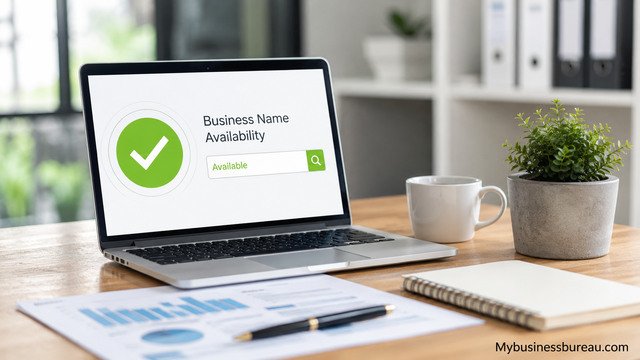
Entrepreneurs planning to form a new Maryland company should search existing records before selecting a business name.
A thorough search reduces the likelihood of rejection during registration.
Consider checking for:
- Exact matches
- Similar spellings
- Plural versions
- Abbreviations
- Common misspellings
A unique business name strengthens branding while helping satisfy state registration requirements.
Interpret Business Search Results Correctly
Search results may display several businesses with nearly identical names. Distinguishing between them requires examining multiple data points.
Compare:
- Formation date
- Entity type
- Business status
- Principal office
- Entity identification number
- Registered agent
These characteristics help ensure the correct business has been identified before relying on the information for legal or commercial purposes.
Use Business Records for Due Diligence
Business searches support informed decision-making in many professional situations.
Common applications include:
- Vendor verification
- Contract negotiations
- Lending decisions
- Commercial real estate transactions
- Employment verification
- Investment research
- Legal investigations
Reviewing official records reduces uncertainty and helps identify businesses that may no longer be in good standing.
Combining business search information with financial records, licensing information, and industry research provides a more complete picture of a company’s standing.
Resolve Common Search Problems
Occasionally, users cannot locate the desired business immediately.
Common reasons include:
- Misspelled business names
- Recently formed entities
- Recently dissolved companies
- Name changes
- Incorrect identification numbers
- Searching under a trade name instead of the legal name
Helpful troubleshooting steps include:
- Remove punctuation.
- Search using only part of the business name.
- Try alternate spellings.
- Search by entity identification number.
- Review similar search results.
These techniques often uncover records that do not appear during highly specific searches.
Maintain Accurate Business Information
Business owners should periodically review their public records to ensure all information remains accurate.
Keeping records current helps avoid administrative complications and ensures government communications reach the appropriate individuals.
Regularly verify:
- Business address
- Registered agent
- Business status
- Officer information (when applicable)
- Filing compliance
- Annual reporting requirements
Maintaining accurate records supports legal compliance and enhances credibility with customers, lenders, and government agencies.
Compare Common Maryland Business Entity Types
| Entity Type | Liability Protection | Ownership | Management | Typical Use |
| LLC | Yes | Members | Flexible | Small and medium businesses |
| Corporation | Yes | Shareholders | Directors and officers | Larger businesses |
| LLP | Yes | Partners | Partners | Professional firms |
| LP | Partial | General and limited partners | General partner | Investment ventures |
| Sole Proprietorship | No | Individual | Owner | Small independent businesses |
Protect Yourself When Reviewing Business Information
Public records provide important information, but they should not be the sole basis for significant financial or legal decisions.
Consider supplementing your research by reviewing:
- Professional licenses
- Court records
- Tax compliance
- Better Business Bureau ratings
- Industry certifications
- Commercial credit reports
- Customer reviews
Using multiple sources creates a more comprehensive understanding of a company’s reputation and operational history.
Conclusion
The MD SOS Business Search is an essential resource for verifying Maryland businesses, researching company information, confirming registration status, and supporting informed business decisions. Whether you are forming a new company, evaluating a potential business partner, conducting legal research, or confirming compliance, the search system provides reliable public records that improve transparency and reduce uncertainty.
By learning how to search effectively, interpret business statuses, review filing histories, and verify entity details, users can confidently navigate Maryland’s business registration records while making better personal and professional decisions.
FAQ’s
Yes. Basic searches of Maryland business records are generally available to the public without charge.
The system primarily searches by business name or identification details. Owner information may not always be publicly searchable, depending on the entity type and available records.
It generally indicates that the business has met applicable state filing and compliance requirements and is authorized to operate under its current registration.
Yes. Searching the database before registering a new business helps identify existing entities with identical or similar names.
Yes. Historical records may include dissolved, forfeited, merged, or revived businesses along with their current status.
Updates are typically made as filings are processed by the state, though processing times can vary depending on filing volume and the type of submission.


