






Introduction
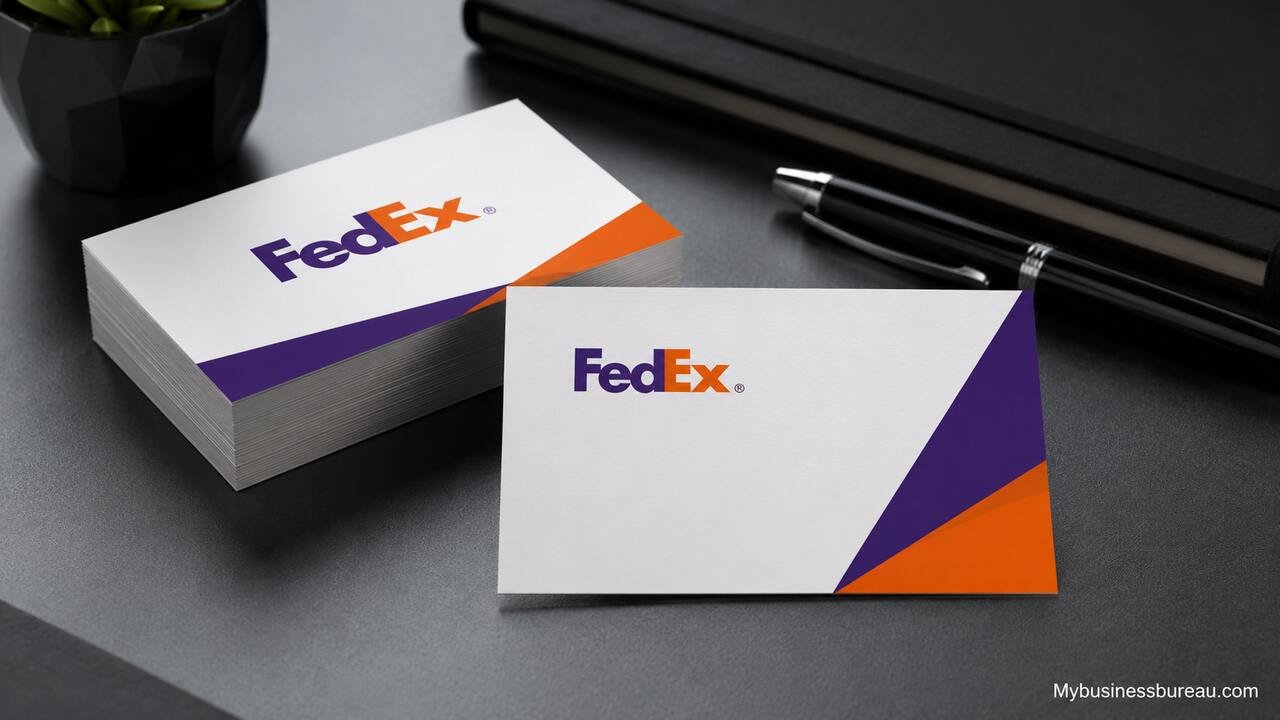
FedEx business cards are a popular choice for professionals, entrepreneurs, small businesses, consultants, sales teams, and corporate organizations that need high-quality printed marketing materials with reliable production and delivery. A business card serves as more than a contact-sharing tool. It represents a brand, communicates professionalism, and creates a lasting first impression during networking events, client meetings, trade shows, and everyday business interactions.
Choosing the right business card involves more than selecting a template. Card stock, finish, layout, typography, color consistency, logo placement, and printing quality all contribute to the final result. Businesses often rely on FedEx printing services because they offer customization options, professional printing capabilities, convenient ordering, and various turnaround times. This guide explains how to create effective FedEx business cards, select the best specifications, optimize design elements, manage printing requirements, and maximize the value of every card you distribute.
Define Your Brand Identity Before Creating Business Cards
The most effective business cards communicate a clear and recognizable brand identity. Before beginning the design process, establish the visual elements that represent your company. These typically include your logo, brand colors, typography, tagline, and contact information.
A consistent identity helps customers recognize your business across multiple touchpoints. If your website uses specific colors and fonts, your business card should reinforce those same visual signals. Consistency strengthens trust and improves brand recall.
Different industries may require different design approaches. A law firm may benefit from a conservative and elegant design, while a creative agency may prefer bold colors and innovative layouts. The card should match the expectations of your target audience while remaining easy to read and professional.
Brand Elements to Include
| Element | Purpose | Recommendation |
| Logo | Brand recognition | Place prominently |
| Business Name | Identification | Use clear typography |
| Contact Information | Communication | Include phone and email |
| Website | Online presence | Keep URL simple |
| Tagline | Value proposition | Optional but useful |
| Brand Colors | Visual consistency | Match existing branding |
Gather Accurate Contact Information for Printing
Before placing an order, verify all contact details that will appear on the card. Errors can lead to reprinting costs and missed business opportunities.
Include information that customers actually need. In most cases, this includes your full name, job title, phone number, email address, website, and business address if applicable. Digital-first businesses may choose to exclude a physical address and focus on online communication channels.
Review every detail carefully before approving the design. Even a small typo can affect credibility. Businesses should also confirm that all team members use standardized formats for titles, phone numbers, and email addresses.
As organizations grow, maintaining consistency across employee cards becomes increasingly important. A unified format strengthens professionalism and creates a cohesive brand image.
Select the Most Effective Business Card Layout
Layout determines how easily people can absorb information. An organized design helps recipients quickly locate important details and remember your brand.
Most business cards use either a horizontal or vertical orientation. Horizontal layouts remain the most common because they are familiar and easy to read. Vertical layouts can stand out but require thoughtful design execution.
White space plays a major role in readability. Overcrowded cards can appear unprofessional and difficult to understand. Strategic spacing guides the eye naturally through the content.
Information hierarchy is equally important. The logo and business name should generally receive the most visual emphasis, followed by the individual’s name and contact information.
Common Layout Options
| Layout Type | Best For | Advantages |
| Horizontal | Most industries | Familiar and readable |
| Vertical | Creative brands | Distinctive appearance |
| Single-Sided | Simplicity | Lower complexity |
| Double-Sided | Information-rich designs | More space available |
| Minimalist | Professional services | Clean presentation |
| Graphic-Focused | Creative businesses | Strong visual impact |
Choose Premium Card Stock for Better Durability

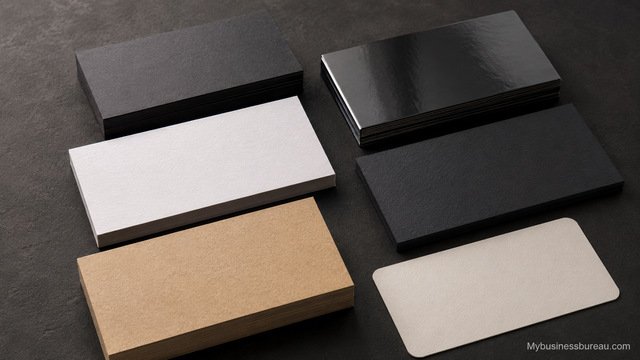
The physical quality of a business card influences how recipients perceive your company. A sturdy card stock often feels more professional and memorable than a thin alternative.
Thicker materials provide durability and help prevent bending or damage. Premium card stock can also improve the appearance of colors and graphics. The tactile experience contributes to the overall impression of quality.
Different finishes create different effects. Matte finishes offer a sophisticated appearance and reduce glare. Gloss finishes can make colors appear more vibrant. Soft-touch finishes provide a distinctive texture that many professionals find appealing.
The best choice depends on your industry, brand personality, and intended use. A luxury brand may prioritize premium materials, while a high-volume sales team may focus on cost efficiency and durability.
Customize Design Elements to Improve Visual Impact
Design details can significantly influence how recipients respond to your business card. Every visual component should support readability and professionalism.
Typography should remain clear at small sizes. Decorative fonts may look attractive but often reduce readability. Most professional cards perform best with clean, modern typefaces.
Color selection should align with brand identity while maintaining sufficient contrast. Dark text on a light background typically offers the best readability. If using bold brand colors, ensure important information remains easy to read.
Visual balance is another critical factor. Logos, images, text blocks, and white space should work together harmoniously. The goal is to create a card that attracts attention without overwhelming the viewer.
Additional features such as QR codes, custom graphics, or social media icons can add functionality when used strategically.
Add QR Codes to Connect Print and Digital Marketing
QR codes have become a valuable addition to modern business cards. They allow recipients to access digital information instantly using a smartphone.
A QR code can direct users to a website, portfolio, online store, appointment booking page, social media profile, or digital contact card. This creates a seamless transition between physical networking and online engagement.
The placement of the QR code should not interfere with readability. Many businesses position it on the back of the card while reserving the front for core branding and contact information.
Testing is essential before printing. Scan the code with multiple devices to ensure proper functionality and user experience.
Effective QR Code Destinations
| Destination | Ideal Users | Benefit |
| Company Website | All businesses | Immediate information access |
| Portfolio | Designers and freelancers | Showcase work |
| Booking Page | Consultants | Generate appointments |
| Contact Card | Sales professionals | Easy contact saving |
| Online Store | Retail brands | Drive sales |
| Social Profiles | Influencers and creators | Audience growth |
Review Design Proofs Before Final Approval
Proof review is one of the most important stages of the ordering process. A thorough review helps prevent costly mistakes and delays.
Inspect spelling, grammar, punctuation, phone numbers, email addresses, URLs, and image quality. Verify that logos appear correctly and that colors align with your brand standards.
Pay close attention to margins and alignment. Elements positioned too close to the edge may risk trimming issues during production. Images should meet resolution requirements to avoid blurry printing.
Having multiple people review the proof can improve accuracy. Fresh eyes often identify mistakes that designers and business owners overlook.
The approval stage should never be rushed. Spending a few extra minutes reviewing details can save significant time and expense later.
Place Your FedEx Business Card Order Efficiently
Once the design has been finalized, the next step is selecting printing specifications and placing the order. Businesses should consider quantity, paper type, finish, turnaround time, and budget.
Ordering the right quantity depends on networking frequency and distribution plans. Professionals who attend conferences and trade shows regularly may benefit from larger print runs.
Turnaround time is another important consideration. Some projects require rapid production, while others allow for more flexible scheduling. Planning ahead often provides more options and reduces stress.
Budget considerations should balance quality and volume. Investing in a professional-looking card generally provides better long-term value than choosing the lowest-cost option available.
Coordinate Team-Wide Business Card Printing
Organizations with multiple employees benefit from a standardized approach to business card printing. Consistent branding strengthens recognition and creates a more professional image.
Develop a template that includes approved fonts, colors, logo usage guidelines, and contact information formatting. This ensures every card reflects the same visual identity regardless of department or role.
Centralized approval processes help maintain quality control. Marketing departments often oversee branding standards while allowing personalized employee details.
As businesses expand, standardized templates also simplify future printing and reordering. New employees can receive professionally branded cards quickly and efficiently.
Distribute Business Cards Strategically During Networking Activities
A well-designed business card only creates value when it reaches the right audience. Strategic distribution increases the return on your printing investment.
Networking events remain one of the most effective opportunities for card exchange. Conferences, trade shows, industry meetings, seminars, and local business gatherings provide direct access to potential clients and partners.
Timing matters. Instead of handing out cards immediately, engage in meaningful conversation first. When a genuine connection has been established, the card becomes more memorable and relevant.
Quality interactions typically outperform mass distribution. A card associated with a positive conversation is far more likely to be retained and referenced later.
Integrate Business Cards Into Your Marketing Strategy
Business cards work best when integrated into a broader marketing system. They should support and reinforce your digital presence rather than function independently.
Include website addresses, social media channels, booking links, or QR codes that encourage continued engagement. Every card should guide recipients toward the next step in the customer journey.
Many businesses also place cards inside product shipments, presentation folders, welcome packets, and promotional materials. This expands visibility beyond traditional networking environments.
A coordinated marketing strategy ensures consistent messaging across online and offline channels. The business card becomes one component of a larger brand experience.
Track Performance and Refine Future Print Runs
Measuring effectiveness helps determine whether your business card strategy is delivering results. Tracking responses allows businesses to make informed improvements.
Unique QR codes, landing pages, promotional offers, or tracking URLs can provide insights into engagement levels. These tools reveal how often recipients interact with the information provided.
Customer feedback can also highlight strengths and weaknesses. Prospects may comment on design quality, readability, or memorable features that influenced their perception of your brand.
Future print runs should incorporate lessons learned. Continuous refinement leads to stronger branding, improved usability, and better networking outcomes.
Maintain Professional Standards Across Reorders
Reordering business cards should be approached with the same attention to detail as the initial print run. Businesses often evolve, and information may require updates.
Review contact details regularly. Phone numbers, addresses, websites, and job titles can change over time. Outdated information reduces effectiveness and may create confusion.
Brand updates should also be reflected in new orders. Logo redesigns, color adjustments, and messaging changes should remain consistent across all marketing materials.
Maintaining current, professional business cards ensures that every interaction supports a positive brand image and facilitates communication.
Compare Popular Business Card Features Before Ordering
| Feature | Standard Option | Premium Option | Best Use Case |
| Paper Thickness | Regular stock | Extra-thick stock | Premium branding |
| Finish | Matte | Soft-touch or specialty | Luxury appearance |
| Printing | Single-sided | Double-sided | More information |
| Color | Standard colors | Enhanced color accuracy | Brand-sensitive designs |
| Shape | Traditional rectangle | Custom shapes | Creative industries |
| QR Code | Not included | Included | Digital engagement |
Strengthen Customer Relationships Through Consistent Branding
Business cards often serve as a physical reminder of a professional interaction. A well-designed card reinforces trust and keeps your business top of mind.
Consistency across marketing materials creates familiarity. When recipients see the same colors, logo, messaging, and design style across websites, brochures, social media profiles, and business cards, confidence in the brand increases.
Professional presentation can influence purchasing decisions, referral opportunities, and long-term customer relationships. Small details frequently shape overall perceptions.
Businesses that prioritize branding consistency often experience stronger recognition and improved customer recall over time.
Conclusion
FedEx business cards provide professionals and organizations with a practical way to create polished, high-quality printed materials that support branding, networking, and customer engagement. Success depends on more than simply printing contact information. Effective cards combine strong visual design, accurate details, premium materials, strategic layout decisions, and integration with broader marketing efforts.
By defining your brand identity, selecting appropriate materials, optimizing design elements, incorporating digital tools such as QR codes, reviewing proofs carefully, and distributing cards strategically, you can maximize the value of every business card you produce. A professional card remains one of the most cost-effective marketing assets available and continues to play an important role in building meaningful business relationships.
Visit mybusinessbureau.com for expert business insights and smart growth strategies.
FAQ’s
Include only essential details such as your name, title, company name, phone number, email address, website, and relevant contact information. Avoid overcrowding the card.
Yes. A QR code can connect recipients directly to your website, portfolio, scheduling page, or digital contact information, making engagement easier.
Matte finishes offer a sophisticated and professional appearance, while glossy finishes enhance color vibrancy. The best option depends on your brand style.
The ideal quantity depends on networking frequency, company size, and budget. Professionals who regularly attend events often benefit from larger print runs.
Double-sided cards provide additional space for branding, services, QR codes, and marketing messages while maintaining a clean front design.
Update business cards whenever contact information, branding elements, job titles, or company messaging changes. Regular reviews help ensure accuracy and professionalism.


