







Introduction
Starting a small business in 2026 offers more opportunities than ever before due to digital transformation, remote work trends, and global market access. Beginners can now launch scalable ventures with minimal capital using tools from companies like Shopify, Stripe, and Canva. This guide presents practical, beginner-friendly business ideas that are easy to start, cost-effective, and aligned with current market demand. Each section focuses on actionable steps to help you move from idea to execution confidently.
Identify Profitable Online Business Models
Choosing the right online model is the fastest way to enter the business world with low overhead. Digital platforms reduce the need for physical infrastructure while expanding reach across global markets.
Online business models include eCommerce stores, subscription services, affiliate marketing, and digital product sales. Platforms such as Amazon, Etsy, and Fiverr allow beginners to validate ideas quickly. Each model has unique requirements such as inventory management, content creation, or audience building.
Market trends in 2026 show increased demand for niche products, personalized experiences, and fast delivery. Entrepreneurs who align their business with customer convenience and digital accessibility gain a competitive advantage.
Launch a Dropshipping Store Without Inventory

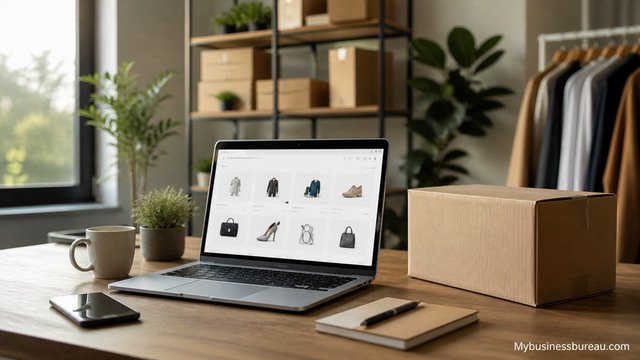
Dropshipping allows beginners to sell products without managing stock or logistics. This model reduces financial risk and simplifies operations.
To start, create a store using Shopify and connect suppliers from AliExpress or Spocket. Focus on trending products such as eco-friendly items, tech accessories, or home gadgets. Product research tools help identify high-demand items with low competition.
Customer experience becomes the key differentiator. Fast shipping, clear product descriptions, and responsive support improve trust and conversion rates. While margins may be lower, scaling through marketing and branding increases profitability.
Start Freelance Services Based on Your Skills
Freelancing remains one of the easiest entry points for beginners with marketable skills. It requires minimal investment and provides immediate income potential.
Popular services include graphic design, content writing, SEO optimization, and video editing. Platforms like Upwork and Freelancer connect clients with service providers. Beginners can start with basic packages and gradually increase pricing as they build experience.
Consistency and reputation determine success in freelancing. Delivering high-quality work, maintaining communication, and collecting positive reviews help establish credibility in competitive marketplaces.
Build a Print-on-Demand Brand
Print-on-demand combines creativity with automation, allowing beginners to sell customized products without holding inventory.
Use services like Printful or Teespring to design apparel, mugs, and accessories. Integrate these services with an online store to automate production and shipping.
Brand identity plays a crucial role in success. Unique designs, targeted messaging, and niche audiences such as fitness enthusiasts or pet lovers improve engagement and sales performance.
Offer Social Media Management Services

Businesses increasingly rely on social media for growth, creating opportunities for beginners to offer management services.
Start by managing accounts on platforms like Instagram, TikTok, and LinkedIn. Tasks include content scheduling, audience engagement, and analytics tracking.
Understanding platform algorithms and content trends enhances effectiveness. Businesses value measurable results such as increased followers, engagement rates, and conversions, making data-driven strategies essential.
Create and Sell Digital Products
Digital products offer high profit margins because they require no physical inventory and can be sold repeatedly.
Examples include eBooks, online courses, templates, and stock photos. Platforms like Gumroad and Teachable simplify product distribution. Beginners can leverage their knowledge in areas such as fitness, finance, or design.
The key to success lies in solving specific problems for a defined audience. Clear value propositions and effective marketing strategies increase sales and customer retention.
Start a YouTube Channel with Monetization Strategy
Video content continues to dominate digital consumption, making YouTube a powerful business platform.
Create content in niches such as education, tech reviews, or lifestyle. Monetize through ads, sponsorships, and affiliate marketing using Google AdSense. Consistency in uploading and optimizing video SEO improves visibility.
Audience trust drives long-term success. Engaging storytelling, high-quality visuals, and authentic communication build a loyal subscriber base that supports monetization efforts.
Launch a Local Service-Based Business
Local businesses remain essential despite digital growth. They offer steady demand and quick revenue generation.
Examples include cleaning services, home repair, tutoring, and delivery services. Use platforms like WhatsApp and Facebook to promote services within your community.
Reliability and customer satisfaction determine growth in local markets. Positive word-of-mouth and repeat customers help establish a strong presence without heavy marketing expenses.
Build an Affiliate Marketing Website
Affiliate marketing allows beginners to earn commissions by promoting products from established brands.
Create a niche website and promote products from programs like Amazon Associates or ClickBank. Focus on content such as product reviews, comparisons, and tutorials.
Search engine optimization plays a crucial role in traffic generation. High-quality content, keyword targeting, and backlinks improve rankings and increase revenue potential over time.
Develop a Subscription-Based Business Model
Subscription models provide recurring income and predictable cash flow, making them attractive for beginners.
Offer services like monthly coaching, curated product boxes, or exclusive content. Platforms like Patreon and Substack support subscription-based offerings.
Customer retention becomes the primary focus. Delivering consistent value and maintaining engagement ensures long-term success and reduces churn rates.
Compare Business Ideas Based on Investment and Profit Potential
| Business Idea | Initial Investment | Skill Level | Profit Potential | Scalability |
| Dropshipping | Low | Beginner | Medium | High |
| Freelancing | Very Low | Medium | High | Medium |
| Print-on-Demand | Low | Beginner | Medium | High |
| Digital Products | Low | Medium | Very High | Very High |
| Social Media Management | Very Low | Medium | High | Medium |
| Affiliate Marketing | Low | Medium | High | High |
| Local Services | Medium | Beginner | Medium | Low |
| YouTube Channel | Low | Medium | High | Very High |
Evaluate Skills and Market Demand Before Choosing
Selecting the right business idea depends on aligning personal skills with market demand. This ensures sustainability and faster growth.
Assess your strengths such as communication, design, or technical expertise. Use tools like Google Trends to identify demand patterns and emerging niches.
Combining skill sets with market needs increases success probability. For example, a designer entering print-on-demand or a writer starting a blog creates synergy between capability and opportunity.
Set Up Legal and Financial Foundations
Establishing a proper legal structure protects your business and ensures compliance with regulations.
Register your business, open a bank account, and set up payment gateways like PayPal or Stripe. Maintain accurate records for taxes and financial tracking.
Legal clarity builds trust with customers and partners. It also prepares your business for scaling and investment opportunities in the future.
Use Marketing Strategies to Attract Customers
Marketing drives visibility and revenue for any business. Beginners should focus on cost-effective strategies with measurable results.
Leverage social media, content marketing, and email campaigns. Tools like Mailchimp help automate communication and nurture leads.
Consistency and data analysis improve marketing performance. Tracking metrics such as conversion rates and engagement helps refine strategies for better outcomes.
Optimize Operations for Growth and Efficiency
Efficient operations reduce costs and improve customer experience, which directly impacts profitability.
Automate repetitive tasks using tools like Zapier. Streamline workflows in areas such as order processing, customer support, and marketing.
As the business grows, scalability becomes essential. Systems and processes should support increased demand without compromising quality or service delivery.
Conclusion
Starting a small business in 2026 is more accessible than ever, thanks to digital tools, global connectivity, and evolving consumer behavior. Beginners can choose from a wide range of opportunities such as dropshipping, freelancing, digital products, and local services. The key to success lies in selecting a model that aligns with your skills, validating market demand, and executing with consistency.
By leveraging platforms like Shopify, Fiverr, and YouTube, entrepreneurs can build scalable ventures with minimal investment. Strong marketing, efficient operations, and customer-focused strategies ensure long-term growth and profitability. Taking action today sets the foundation for financial independence and business success.
Visit mybusinessbureau.com for expert business insights and smart growth strategies.
FAQ’s
Freelancing and dropshipping are among the easiest options due to low startup costs and minimal technical requirements.
Digital products and affiliate marketing offer high profit margins because they eliminate inventory and production costs.
Many online businesses can start with less than $100, especially freelancing, affiliate marketing, and print-on-demand.
Yes, beginners can learn through online resources and start with simple models like social media management or content creation.
Profitability depends on the business model, effort, and strategy. Some businesses generate income within weeks, while others take months to scale.
Online businesses offer scalability and lower costs, while offline businesses provide stability and local demand. The best choice depends on your goals and resources.


