







A professional website is one of the most valuable assets a small business can have. Customers often search online before making purchasing decisions, and a well-designed website helps create a strong first impression while building credibility and trust. Effective web design services for small businesses focus on more than just appearance; they create user-friendly, mobile-responsive, and conversion-focused websites that help attract visitors, generate leads, and increase sales. From establishing a strong brand identity to improving search engine visibility and customer engagement, the right web design strategy can support long-term business growth and help small businesses compete successfully in their local and online markets.
Define Your Business Goals Before Starting Web Design

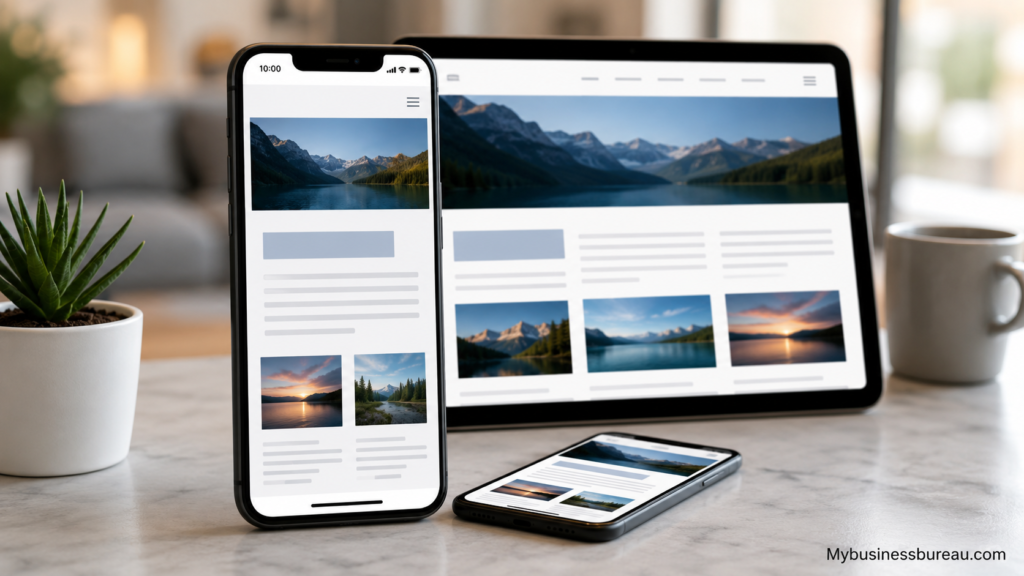
Web design services for small business should begin with clear business goals because a website must support sales, leads, bookings, trust, and customer communication. A small business website works best when every page has a purpose, every call to action is visible, and every design choice supports a measurable outcome.
A service provider will usually ask about your target customers, products, services, service areas, brand style, competitors, and preferred customer actions. These details help shape the website structure, content plan, visual layout, and conversion path. For example, a local plumber may need phone calls and quote requests, while a boutique may need online sales and product browsing.
Strong planning also prevents wasted time and budget. A website built without goals may look attractive but fail to generate results. When goals are defined early, the design team can create pages, menus, forms, buttons, and messaging that guide visitors toward action.
Choose the Right Website Type for Your Business
Small businesses should choose a website type that matches their operating model. A simple brochure website may suit a consultant, while an e-commerce website may suit a retailer that sells physical products. Service businesses often need lead-generation websites with forms, location pages, testimonials, and booking options.
The main website types include brochure websites, service websites, e-commerce stores, portfolio websites, booking websites, and membership websites. Each type requires different features. A restaurant website may need menus, reservations, maps, and opening hours. A law firm website may need practice area pages, attorney profiles, trust signals, and consultation forms.
Choosing the right website type also affects cost, timeline, maintenance, and future growth. A small business can start with a lean website and expand later, but the foundation should support upgrades such as online payments, customer accounts, blogs, landing pages, and CRM integrations.
| Website Type | Best For | Key Features |
| Brochure website | Local services, consultants, trades | Home page, about page, service pages, contact form |
| Lead-generation website | Agencies, contractors, clinics | Calls to action, quote forms, testimonials, location pages |
| E-commerce website | Retailers, product brands | Product pages, cart, checkout, payment gateway |
| Booking website | Salons, clinics, coaches | Calendar, appointment system, reminders |
| Portfolio website | Designers, photographers, creators | Project galleries, case studies, inquiry form |
Build a Clear Website Structure
A small business website needs a clear structure so visitors can find information quickly. The main navigation should guide users to essential pages such as Home, Services, About, Pricing, Portfolio, Testimonials, Blog, and Contact. Clear structure improves user experience and helps search engines understand the site.
Each page should answer a specific customer need. The Home page should explain who you serve and what you offer. Service pages should describe individual offerings in detail. The About page should build trust. The Contact page should make communication simple through forms, phone numbers, email addresses, maps, and business hours.
Good structure also supports future marketing. When a website has organized service pages, location pages, and informational articles, it can rank for more relevant searches. This creates stronger visibility for small businesses that depend on local customers, referrals, and search traffic.
Create Professional Branding and Visual Design
Professional web design services for small business should create a visual identity that feels trustworthy, consistent, and relevant to the target audience. Colors, typography, spacing, images, icons, and layout should reflect the business personality while keeping the website easy to use.
Branding usually includes logo placement, color palette, font selection, image style, button design, and page templates. A family dental clinic may use soft colors and friendly photography, while a construction company may use bold colors, project images, and strong calls to action. Visual design should make the business look credible without distracting from the message.
Consistent branding also improves recognition. When the website matches business cards, social media profiles, signage, proposals, and email templates, customers experience a unified brand. This consistency helps a small business appear more established and dependable.
Write Website Content That Converts Visitors
Website content should explain services clearly and persuade visitors to take action. Strong copy answers customer questions, removes doubts, highlights benefits, and presents the business as a reliable solution. A beautiful website will underperform if the words are vague or generic.
Important content elements include headlines, service descriptions, benefit statements, trust indicators, testimonials, guarantees, FAQs, and calls to action. Each page should speak directly to the customer’s problem. Instead of saying “We offer quality solutions,” a better message explains the result, such as “Schedule reliable lawn care that keeps your property clean, healthy, and ready for every season.”
Content also supports search visibility. A small business website should use natural phrases customers actually search for, including services, locations, problems, comparisons, and decision-stage questions. Clear content helps both people and search engines connect the business with relevant needs.
Optimize the Website for Local Search
Small businesses that serve a local area should optimize their website for local search. Local optimization helps customers find the business when they search for nearby services, city-based providers, or location-specific solutions. This is especially important for restaurants, contractors, clinics, repair companies, salons, and professional services.
Local web design should include location pages, service area details, Google Business Profile links, map embeds, name-address-phone consistency, local testimonials, and locally relevant content. A business serving multiple cities may need dedicated pages for each major service area, but those pages should contain unique and helpful information.
Local search also depends on trust signals. Reviews, project photos, licenses, certifications, awards, opening hours, and clear contact information help customers feel confident. When these details are easy to find, the website can convert more local visitors into calls, bookings, and visits.
Make the Website Mobile Friendly

A small business website must work smoothly on mobile devices because many customers search, compare, and contact businesses from phones. Mobile-friendly design uses responsive layouts, readable text, clear buttons, fast-loading pages, and simple navigation.
Mobile design should prioritize important actions. Phone numbers should be tappable, forms should be short, menus should be easy to open, and buttons should have enough spacing. Images should resize correctly, and text should not require zooming. A visitor should be able to understand the offer and contact the business within seconds.
Mobile usability also affects customer trust. If a website loads slowly, breaks on small screens, or makes forms difficult to complete, visitors may leave and choose a competitor. Strong mobile design keeps the experience simple, fast, and conversion focused.
Improve Website Speed and Technical Performance
Website speed matters because visitors expect pages to load quickly. A slow website can reduce leads, sales, and engagement. Web design services for small business should include performance optimization from the start rather than treating it as an afterthought.
Speed improvements may include image compression, clean code, reliable hosting, caching, limited plugins, optimized scripts, and lightweight page builders. Technical performance also includes secure HTTPS, working links, proper redirects, error-free forms, and browser compatibility.
Performance affects both user experience and marketing results. A fast website keeps visitors engaged, supports better conversion rates, and creates a more professional impression. For small businesses with limited advertising budgets, every visitor matters, so technical quality should protect each opportunity.
Add Trust Signals That Support Customer Decisions
Trust signals help visitors feel safe choosing a small business. A website should show proof that the company is real, capable, and reliable. This proof can include reviews, testimonials, case studies, certifications, licenses, media mentions, guarantees, team photos, and completed project examples.
Different industries need different trust elements. A home services company may show insurance details, before-and-after photos, and customer reviews. A medical clinic may show practitioner credentials, patient resources, and appointment policies. An online store may show secure payment badges, return policies, and customer ratings.
Trust signals should appear near important decision points. Testimonials can support service pages, guarantees can appear near pricing, and certifications can appear near contact forms. When proof is placed close to action buttons, visitors have fewer reasons to hesitate.
Set Up Lead Forms, Booking Tools, and Calls to Action
A website should make it easy for customers to act. Calls to action guide visitors toward steps such as calling, booking, requesting a quote, buying a product, downloading a guide, or scheduling a consultation. Without clear calls to action, visitors may leave even when they are interested.
Lead tools include contact forms, quote forms, appointment calendars, live chat, click-to-call buttons, newsletter forms, and online payment systems. Forms should ask only for necessary information. A short quote form may collect name, phone, email, service type, location, and project details.
Conversion tools should match the customer journey. New visitors may prefer a free estimate, while ready buyers may want instant booking. Offering more than one contact method can increase responses because customers have different comfort levels and urgency.
Connect Analytics and Tracking Systems
Small businesses should track website performance so they can understand what works. Analytics show how visitors find the website, which pages they view, what actions they take, and where they drop off. This information helps improve design, content, and marketing decisions.
Common tracking systems include website analytics, form tracking, call tracking, conversion tracking, heatmaps, and advertising pixels. These tools can measure phone calls, form submissions, purchases, bookings, newsletter signups, and page engagement.
Tracking turns a website into a business asset instead of a static online brochure. With reliable data, a small business can improve weak pages, invest in profitable channels, and understand which services attract the most interest.
Plan Website Maintenance and Security
A small business website needs ongoing care after launch. Maintenance keeps the site secure, updated, fast, and functional. Without regular updates, websites can experience broken features, security risks, outdated content, and poor performance.
Maintenance tasks include software updates, plugin updates, backups, malware scanning, uptime monitoring, content edits, speed checks, and form testing. Businesses using WordPress, Shopify, Wix, Squarespace, or custom systems should understand what maintenance is included and what costs extra.
Security is especially important for websites that collect customer information, process payments, or manage bookings. A secure website protects business reputation and customer trust. Regular maintenance also extends the life of the website and reduces emergency repair costs.
Compare Web Design Service Options
Small businesses can hire freelancers, agencies, DIY website builders, or specialized web design companies. Each option has advantages depending on budget, complexity, timeline, and support needs. The best choice is the one that matches the business goal rather than the cheapest upfront price.
Freelancers may offer flexible pricing and personalized attention. Agencies may provide strategy, design, development, SEO, content, and ongoing support in one package. DIY builders may work for very small budgets, but they require time and technical confidence. Specialized providers may be ideal for industries such as dental, legal, real estate, fitness, hospitality, or home services.
The right provider should understand small business needs, explain the process clearly, show relevant work, provide transparent pricing, and offer post-launch support. A strong portfolio and clear communication are often better indicators than flashy promises.
| Provider Option | Strength | Possible Limitation |
| Freelancer | Flexible and often affordable | Limited capacity or support |
| Web design agency | Full-service strategy and execution | Higher cost |
| DIY builder | Low initial cost | Requires time and skill |
| Industry specialist | Strong niche knowledge | Less design flexibility |
| Custom developer | Highly tailored functionality | Larger budget required |
Review Pricing, Packages, and Deliverables
Web design pricing should be reviewed carefully because packages can vary widely. A low-cost package may include only basic design, while a higher package may include copywriting, SEO setup, analytics, custom graphics, forms, and maintenance. Small businesses should compare deliverables rather than price alone.
Important deliverables include page count, platform, mobile design, content writing, image sourcing, SEO basics, speed optimization, contact forms, security setup, training, revisions, launch support, and maintenance terms. Clear deliverables prevent misunderstandings and help the business evaluate value.
Budget planning should also include ongoing costs such as hosting, domain renewal, plugins, apps, maintenance, content updates, and advertising. A website is not only a design purchase. It is a marketing platform that needs support to keep producing results.
Launch the Website and Improve It Over Time
A small business website should launch only after testing design, content, forms, links, speed, mobile display, and tracking. Launch preparation ensures visitors receive a smooth experience from day one. Every important page should be reviewed before the website goes live.
After launch, the business should monitor traffic, leads, rankings, customer feedback, and conversion rates. Improvements may include stronger headlines, better images, added FAQs, new service pages, faster loading, and clearer calls to action. Small changes can produce meaningful gains over time.
A website should grow with the business. As services expand, locations change, reviews increase, and customer needs evolve, the website should reflect those updates. Continuous improvement helps the website remain useful, competitive, and profitable.
Conclusion
Web design services for small business should create more than an attractive website. They should produce a clear, fast, mobile-friendly, trustworthy, and conversion-focused platform that helps customers understand the business and take action. With the right strategy, structure, content, design, local search setup, tracking, and maintenance, a small business website can become a dependable source of leads, sales, bookings, and long-term growth.
Visit mybusinessbureau.com for expert business insights and smart growth strategies.
FAQ’s
Costs vary based on page count, features, platform, content, SEO, and support. A basic website usually costs less than a custom e-commerce or booking website.
A simple website may take a few weeks, while a larger custom website can take longer depending on content, revisions, integrations, and approvals.
WordPress, Shopify, Wix, Squarespace, and custom platforms can all work. The best option depends on business goals, budget, features, and maintenance needs.
Yes. SEO helps customers find the website through search engines. Basic SEO should include clear page titles, service content, local details, fast loading, and mobile-friendly design.
A DIY builder can work for simple needs and small budgets. A professional designer is better when the business needs strategy, branding, SEO, custom features, or stronger conversion results.


