






Introduction
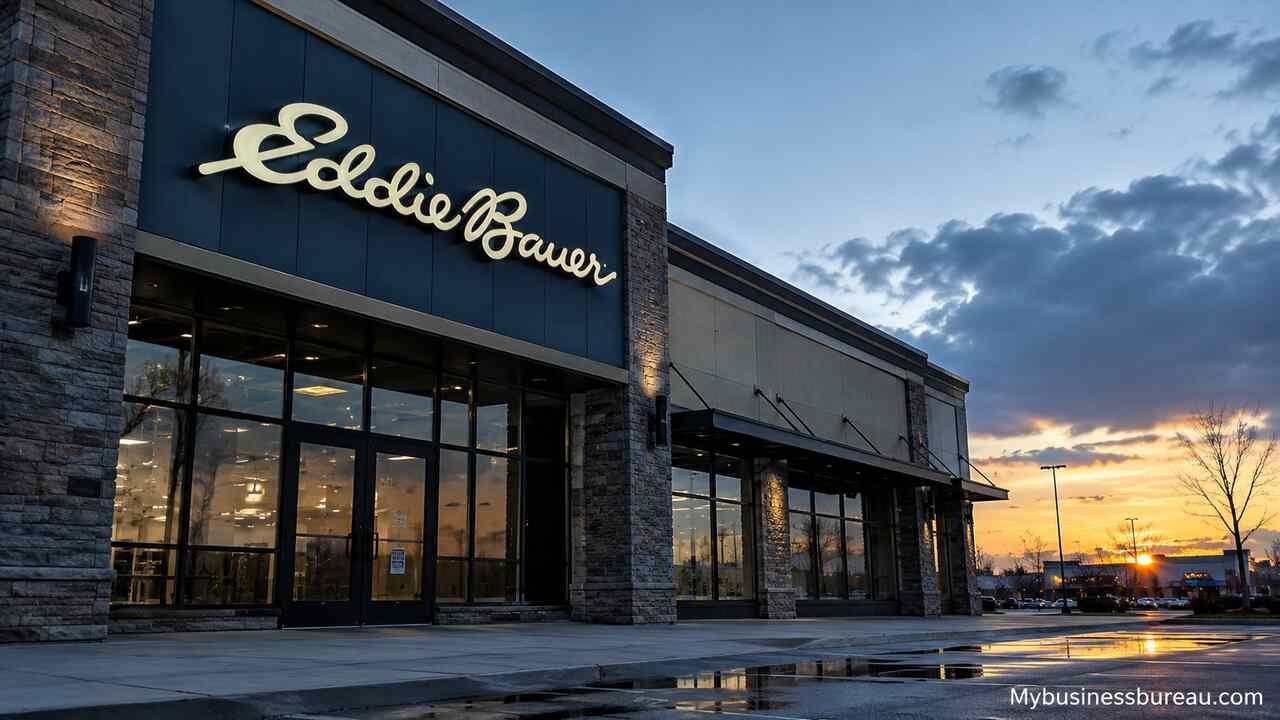
Many shoppers have recently searched for information about whether Eddie Bauer is going out of business after news reports highlighted bankruptcy filings, liquidation sales, and widespread store closures. The situation has created confusion because the retail stores, online business, brand ownership, and licensing operations are managed by different entities.
The short answer is that Eddie Bauer’s North American retail store operator filed for Chapter 11 bankruptcy and closed its physical stores, but the Eddie Bauer brand itself is not disappearing. Online sales, wholesale partnerships, licensing agreements, and certain international operations continue under separate ownership structures. Understanding the distinction between the retail operator and the brand itself is essential for anyone following the company’s future.
Understand the Current Status of Eddie Bauer
The most important fact is that Eddie Bauer’s North American retail operator entered Chapter 11 bankruptcy protection in 2026. The company running the brick-and-mortar stores cited declining sales, inflationary pressures, supply chain difficulties, and broader retail challenges as major reasons for the filing.
At the same time, the bankruptcy primarily affected physical retail locations in the United States and Canada. The intellectual property, online business, manufacturing relationships, and wholesale channels were structured separately and were not included in the same operational shutdown.
This distinction explains why many consumers continue to see Eddie Bauer products available online even as local stores have disappeared. The brand remains active despite the closure of much of its traditional retail footprint.
Review the Bankruptcy Events That Led to Store Closures
The bankruptcy process unfolded after the retail operator struggled to stabilize its finances. Management initially sought a buyer that could preserve all or part of the store network while restructuring the business.
A formal sale process was launched, and potential investors were invited to bid on the retail operations. However, no acceptable buyer emerged before the deadline. As a result, a planned auction was canceled and liquidation efforts continued across the store network.
Once the sale process failed, the company accelerated store-closing activities throughout North America. Liquidation sales were conducted while remaining leases and retail assets were marketed separately.
Bankruptcy Timeline
| Event | Outcome |
| Financial challenges intensify | Declining sales and rising costs |
| Chapter 11 filing announced | Retail restructuring begins |
| Buyer search initiated | Company seeks rescue transaction |
| Auction deadline passes | No qualified buyer emerges |
| Auction canceled | Store liquidation continues |
| Physical stores close | Retail footprint largely eliminated |
Examine the Difference Between the Brand and the Stores
Many consumers assume that when stores close, the entire company disappears. In modern retail, that is often not the case.
The Eddie Bauer name, trademarks, designs, and intellectual property are valuable assets that can be licensed to various operators. One organization may own the brand while another operates stores, and yet another manages e-commerce distribution.
Because of this structure, the bankruptcy of the retail operator did not automatically eliminate the Eddie Bauer brand. Ownership of the intellectual property remained separate from the store-closing process.
This arrangement is increasingly common in the apparel industry. Brands often survive major restructurings because their names, customer recognition, product designs, and licensing opportunities continue to hold significant value.
Explore the History of Eddie Bauer’s Financial Challenges
Eddie Bauer has experienced financial difficulties before. The company has gone through multiple restructurings over the past two decades as retail markets evolved and consumer behavior changed.
The brand was founded in 1920 by Eddie Bauer and became famous for innovative outdoor apparel. The company introduced one of the first quilted down jackets and built a reputation for practical outdoor equipment.
Over time, ownership changed several times. Different parent companies attempted various strategies to expand the business, including broader lifestyle apparel offerings, catalog operations, and mall-based retail expansion. These transitions sometimes created operational complexity and financial pressure.
Major Historical Milestones
| Year | Development |
| 1920 | Company founded in Seattle |
| 1940 | Patented quilted down jacket introduced |
| 1971 | Acquired by General Mills |
| 1988 | Acquired by Spiegel |
| 2003 | Major restructuring period |
| 2009 | Bankruptcy and acquisition by Golden Gate Capital |
| 2021 | Acquired by Authentic Brands Group and SPARC |
| 2026 | Retail operator files Chapter 11 and closes stores |
Analyze the Factors Behind the Retail Collapse
The closure of Eddie Bauer stores was not caused by a single issue. Multiple economic and industry forces contributed to the outcome.
One challenge was declining foot traffic in traditional shopping centers. Consumers increasingly purchase apparel online rather than visiting malls and retail centers. This trend has affected numerous clothing retailers over the past decade.
Inflation also increased operating expenses. Labor costs, transportation expenses, and inventory management became more expensive during a period when many consumers reduced discretionary spending.
Supply chain disruptions added another layer of difficulty. Retailers faced inventory timing issues, shipping complications, and forecasting challenges that affected profitability.
Competition further intensified pressure on the business. Outdoor apparel consumers increasingly shifted toward premium performance brands, direct-to-consumer companies, and digital-first competitors.
Evaluate the Future of Eddie Bauer Online
Although physical stores have largely disappeared from North America, the online business remains an important component of the brand’s future.
E-commerce allows Eddie Bauer products to reach customers without the overhead costs associated with maintaining hundreds of retail locations. Warehousing, fulfillment, and digital marketing typically offer greater flexibility than large-scale mall operations.
Online channels also provide access to nationwide and international audiences. Customers who previously relied on local stores can continue purchasing products through digital platforms where the brand remains active.
The continued existence of online operations suggests that brand owners still see long-term value in the Eddie Bauer name and customer base.
Assess the Value of the Eddie Bauer Brand
A brand can retain substantial value even when stores close. Eddie Bauer benefits from more than a century of history and recognition within the outdoor apparel market.
Several strengths support the brand’s ongoing relevance:
Heritage
The company possesses a long history associated with outdoor recreation, exploration, and performance apparel. Historical credibility often remains attractive to consumers and licensing partners.
Product Reputation
Many customers continue to associate the brand with down jackets, outerwear, hiking apparel, and outdoor-inspired clothing.
Customer Recognition
Decades of retail presence created widespread awareness among multiple generations of consumers.
Licensing Opportunities
Brand owners can license the Eddie Bauer name across numerous product categories, including apparel, accessories, home goods, and outdoor equipment.
These advantages help explain why investors may continue supporting the brand despite the closure of traditional retail locations.
Compare Eddie Bauer With Other Retail Brands That Survived Bankruptcy
Bankruptcy does not always signal the end of a brand. Many retailers have emerged from financial distress in different forms.
Some companies reduce store counts while maintaining online operations. Others sell intellectual property to new owners who continue producing merchandise under the same brand name.
The apparel industry frequently separates brand ownership from retail operations. This structure allows a recognizable name to survive even when physical stores become unprofitable.
Eddie Bauer appears to follow a similar pattern. The retail operator faced severe financial challenges, but the brand itself remains active through alternative distribution channels.
Follow the Opportunities for Brand Reinvention
The closure of physical stores may create opportunities for strategic repositioning.
Without a large brick-and-mortar network, management can focus resources on digital commerce, product innovation, customer acquisition, and partnerships.
Potential growth areas include:
- Direct-to-consumer sales
- Outdoor performance apparel
- Sustainable product initiatives
- International licensing
- Wholesale distribution
- Marketplace partnerships
Each of these channels offers a path toward maintaining relevance while avoiding many costs associated with operating hundreds of retail stores.
A streamlined operating model could allow the brand to compete more effectively in a rapidly changing marketplace.
Monitor International and Licensing Operations
Another reason the Eddie Bauer story differs from a complete shutdown is the existence of international operations and licensing arrangements.
Certain overseas businesses operate independently from the North American retail entity that filed bankruptcy. These operations continue serving customers in their respective markets.
Licensing also enables the brand to appear across numerous product categories without directly operating every business unit.
This flexibility often helps legacy brands survive difficult periods because revenue streams can originate from multiple channels rather than a single retail network.
As long as consumers recognize and trust the brand, licensing opportunities may continue generating value.
Determine Whether Customers Should Still Buy Eddie Bauer Products


Many consumers wonder whether it makes sense to purchase products from a company associated with bankruptcy news.
The answer depends on individual preferences, but the availability of ongoing online operations suggests that customers can still access products and support services through active channels.
Shoppers interested in outerwear, casual apparel, hiking clothing, and outdoor-inspired products may continue finding Eddie Bauer merchandise available through online and wholesale distribution.
Because the brand remains operational in these channels, product availability has not disappeared simply because physical stores closed.
Consumers should monitor official announcements regarding warranties, returns, and customer service policies, as procedures can evolve during corporate transitions.
Prepare for the Next Phase of the Brand’s Development
The future of Eddie Bauer will likely depend on how effectively brand owners capitalize on its remaining strengths.
Several factors will influence long-term success:
- Product quality
- Digital commerce performance
- Marketing effectiveness
- Licensing partnerships
- International growth
- Customer loyalty
- Competitive positioning
The company still possesses a recognized name, a large historical customer base, and strong outdoor heritage. These assets can support future growth if managed effectively.
While the retail store era has largely ended in North America, the brand’s next chapter may focus on digital commerce and strategic licensing rather than traditional mall expansion.
Conclusion
Eddie Bauer is not completely going out of business, but its North American retail store operations have undergone a major collapse. The company operating the physical stores filed for Chapter 11 bankruptcy, failed to secure a buyer, and moved forward with widespread store closures and liquidation efforts.
However, the Eddie Bauer brand itself continues to exist through separate ownership structures that support online sales, wholesale distribution, licensing agreements, and certain international operations.
For consumers, the key takeaway is simple: physical stores have largely disappeared, but the Eddie Bauer name remains active. The future of the brand will likely be shaped by e-commerce, licensing partnerships, and a renewed focus on efficient distribution channels rather than a large traditional retail footprint.
Visit mybusinessbureau.com for expert business insights and smart growth strategies.
FAQ’s
No. The North American retail store operator filed for bankruptcy and closed stores, but the Eddie Bauer brand continues through online sales, licensing, and other business channels.
The retail operator moved forward with widespread closures after failing to secure a buyer during bankruptcy proceedings.
Yes. Online operations continue separately from the retail store bankruptcy, allowing customers to purchase products through digital channels.
The intellectual property and brand rights are owned separately from the retail store operations and continue to be licensed for ongoing business activities.
Yes. The company has experienced prior financial restructurings, including earlier bankruptcy proceedings before the 2026 filing.
No definitive announcement has confirmed a return. Future retail strategies will depend on ownership decisions, licensing opportunities, and market conditions.


