






Introduction
A Louisiana business search is one of the most important tools for entrepreneurs, investors, legal professionals, consumers, and business owners who need accurate information about companies operating within the state. Whether you are planning to register a new company, verify the status of an existing organization, research competitors, check ownership information, or confirm compliance records, a business search provides valuable insights that support informed decision-making.
The Louisiana Secretary of State maintains business records that allow users to locate registered entities, review public filing information, confirm business status, and identify important details related to corporations, limited liability companies, partnerships, and nonprofit organizations. By understanding how to perform a Louisiana business search effectively, individuals can avoid naming conflicts, reduce legal risks, and gain confidence when engaging with businesses throughout the state.
This guide explains the entire process, from conducting searches and interpreting results to evaluating business records and using the information for practical business purposes.
Access Louisiana Business Records Through Official Search Tools
The first step in conducting a Louisiana business search is accessing the state’s official business database. The business search platform provides public access to information about registered entities operating in Louisiana.
Users can search for businesses using multiple criteria, including business name, charter number, trade name, and registered agent information. This flexibility allows researchers to locate records even when limited information is available.
The database serves several purposes beyond simple verification. Entrepreneurs use it to determine whether a desired business name is available. Financial institutions may use it during due diligence reviews. Vendors, customers, and investors often rely on the database to confirm that a company is legally registered and actively operating.
Search a Business Name Before Registering a New Company
One of the most common reasons for conducting a Louisiana business search is checking name availability before forming a new business.
Business names must be distinguishable from existing entities already registered in Louisiana. Searching the database helps identify potential conflicts before submitting formation documents. This reduces delays and prevents application rejections.
When evaluating name availability, review exact matches as well as names that appear similar in spelling, pronunciation, or structure. A name that differs only slightly from an existing company may still create complications during registration.
Many entrepreneurs also search variations of a proposed name to assess branding opportunities. Reviewing similar businesses can reveal industry trends, geographic competition, and naming conventions that influence market positioning.
Locate Existing Louisiana Companies Efficiently
Finding an existing business requires selecting the most appropriate search method.
Searching by company name is typically the fastest option when the organization’s legal name is known. Partial-name searches can help locate businesses when only a portion of the name is available. This method is particularly useful for organizations with long or complex names.
Searching by charter number often produces the most precise results because each registered entity receives a unique identifier. Professionals conducting legal, financial, or compliance research frequently rely on charter numbers to avoid confusion between similarly named businesses.
Users can also search through registered agent information when investigating multiple entities connected to the same representative. This approach is often valuable during corporate research and business intelligence projects.
Review Business Status Information Carefully
After locating a business record, the next step is evaluating its status.
Business status indicates whether an entity remains authorized to operate within Louisiana. Common status designations may include active, inactive, dissolved, revoked, or terminated.
An active status generally indicates that the company has met filing requirements and remains in good standing with state authorities. Businesses with inactive or revoked statuses may have failed to meet compliance obligations or ceased operations.
Understanding status information helps businesses avoid partnerships with entities facing administrative issues. It also assists consumers in verifying legitimacy before entering contracts or making significant purchases.
Status reviews are especially important during mergers, acquisitions, vendor onboarding, lending decisions, and contractual negotiations.
Examine Business Formation Details
Formation records provide valuable historical information about a company.
Most business records include formation dates, registration dates, and filing histories. These details help determine how long an organization has been operating and whether it maintains a stable presence within the marketplace.
Long-established companies often demonstrate operational continuity, while newly formed entities may still be building business infrastructure and market credibility. Neither factor is inherently positive or negative, but both contribute to risk assessment.
Formation data can also reveal periods of restructuring, ownership changes, or administrative updates. These records provide additional insight into a company’s organizational development over time.
Business Information Commonly Available
| Information Type | Purpose |
| Business Name | Identifies the legal entity |
| Charter Number | Provides a unique state identifier |
| Formation Date | Shows when the company was established |
| Status | Indicates operational standing |
| Registered Agent | Identifies the official contact representative |
| Business Address | Shows the principal location |
| Filing History | Displays submitted documents |
| Entity Type | Identifies organizational structure |
Verify Registered Agent Information
Registered agent records represent a critical component of Louisiana business searches.
A registered agent serves as the official recipient for legal notices, service of process documents, government correspondence, and compliance communications. Every registered entity typically designates a registered agent to maintain legal accountability.
Reviewing registered agent information helps verify whether a business maintains proper legal representation within the state. This information is particularly useful for attorneys, creditors, courts, and government agencies.
Businesses frequently update registered agent records when changing representation or administrative structures. Therefore, current agent information often reflects the most recent compliance activities undertaken by the company.
For organizations evaluating potential partnerships, registered agent details can provide an additional layer of verification regarding legitimacy and operational maintenance.
Analyze Business Addresses and Contact Records

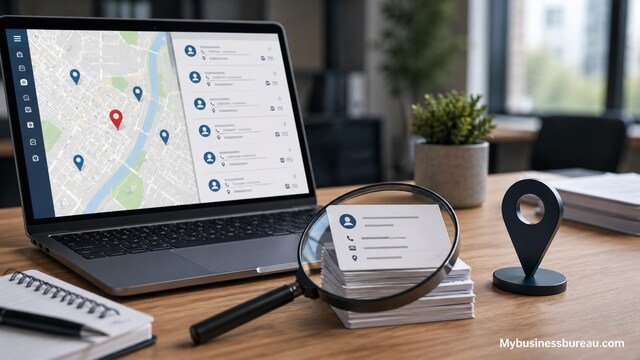
Address information offers useful insight into a company’s operational footprint.
Business records may include principal office addresses, mailing addresses, and registered office locations. Comparing these addresses can help determine whether an organization operates from a dedicated commercial facility, shared office space, or another arrangement.
Address reviews also support due diligence efforts. Investors, suppliers, and lenders often compare address information with websites, contracts, and public marketing materials to verify consistency.
Businesses operating in multiple locations may have complex organizational structures reflected through various addresses. Understanding these distinctions improves the accuracy of research and compliance reviews.
In addition, address information can assist businesses seeking local partnerships or regional market opportunities within Louisiana.
Evaluate Entity Types for Better Business Research
Louisiana business searches provide information about organizational structure, which significantly influences management, taxation, liability, and governance.
Different entity types serve different business objectives. Understanding these distinctions improves interpretation of search results.
Common Louisiana Entity Types
| Entity Type | Primary Characteristics |
| Limited Liability Company (LLC) | Flexible management and liability protection |
| Corporation | Formal governance structure with shareholders |
| Nonprofit Corporation | Operates for charitable or public purposes |
| Limited Partnership | Includes general and limited partners |
| Professional Corporation | Designed for licensed professionals |
| Foreign Entity | Registered outside Louisiana but authorized to operate within the state |
An LLC often appeals to small and medium-sized businesses due to management flexibility. Corporations generally suit organizations seeking investment opportunities and structured governance systems.
Nonprofit organizations focus on charitable, educational, religious, or public service objectives. Foreign entities indicate businesses originally formed in another jurisdiction that have obtained authorization to conduct operations in Louisiana.
Recognizing entity types helps researchers better understand organizational responsibilities and operational frameworks.
Review Filing History and Compliance Records
Filing history provides a detailed view of a company’s administrative activity.
Many business records contain information regarding amendments, annual reports, mergers, conversions, reinstatements, and other significant filings. Reviewing these documents can reveal important developments within an organization.
Frequent updates may indicate growth, expansion, ownership transitions, or strategic restructuring efforts. Conversely, prolonged inactivity could signal operational stagnation or reduced business activity.
Compliance reviews are particularly important when assessing vendors, acquisition targets, franchise opportunities, and investment prospects. Filing history often uncovers details not immediately visible through marketing materials or public websites.
A thorough examination of historical records helps create a more complete understanding of organizational stability and management practices.
Conduct Competitive Research Using Louisiana Business Searches
Business search databases can serve as valuable competitive intelligence resources.
Entrepreneurs frequently analyze competing companies before launching new products or entering new markets. Reviewing business records provides insights into company age, registration status, organizational structure, and geographic presence.
Competitive research allows businesses to identify market saturation levels, discover emerging competitors, and evaluate regional business activity. This information supports strategic planning and market positioning.
Researchers can also identify patterns among successful organizations within specific industries. Understanding how established businesses structure their operations may help guide decision-making for new ventures.
Competitive analysis becomes especially useful during business planning, expansion projects, and investment evaluations.
Investigate Ownership and Organizational Structure
Although public records may not always reveal complete ownership details, they often provide information that contributes to organizational analysis.
Corporate filings, officer listings, managerial records, and annual reports can help identify key decision-makers associated with an entity. These records assist researchers seeking a clearer understanding of company leadership.
Leadership information supports vendor evaluations, investment reviews, partnership assessments, and legal investigations. Understanding who manages an organization often helps stakeholders assess operational credibility and strategic direction.
Changes in management records over time may also indicate leadership transitions, restructuring efforts, or shifts in organizational priorities.
Careful review of available documentation provides a broader perspective on company operations and governance.
Confirm Business Legitimacy Before Entering Agreements

Verifying business legitimacy represents one of the most important uses of Louisiana business search records.
Before signing contracts, purchasing services, making investments, or extending credit, parties should confirm that a business exists as a legally recognized entity. Business search results help validate registration status and compliance standing.
Legitimacy verification reduces fraud risks and improves confidence in commercial transactions. It also helps organizations comply with internal risk management procedures and regulatory requirements.
Many procurement departments include business verification as a standard onboarding step before approving vendors. Financial institutions similarly rely on business searches when reviewing loan applications and commercial accounts.
Routine verification practices strengthen operational security and support informed decision-making.
Use Louisiana Business Search Results During Due Diligence
Due diligence involves investigating a business before completing a transaction or entering a significant relationship.
Louisiana business search records provide foundational information for these investigations. Researchers often begin with registration status, formation records, filing history, and registered agent information.
Additional due diligence activities may include reviewing financial statements, litigation records, licensing information, tax compliance documentation, and industry certifications. Business search results help establish the framework for deeper analysis.
Investors, lenders, buyers, and strategic partners benefit from thorough due diligence because it reduces uncertainty and highlights potential concerns before commitments are finalized.
Combining public business records with other research sources produces a more comprehensive evaluation of organizational strength and reliability.
Maintain Ongoing Monitoring of Business Records
Business verification should not occur only once.
Organizations frequently update records to reflect address changes, management transitions, mergers, acquisitions, and compliance filings. Monitoring these updates helps businesses stay informed about important developments affecting customers, suppliers, and partners.
Regular reviews are particularly valuable for industries with extensive contractual relationships or regulatory obligations. Changes in business status may impact ongoing agreements and operational risk assessments.
Companies that establish periodic monitoring processes often identify issues earlier and respond more effectively to organizational changes among key stakeholders.
Ongoing oversight contributes to stronger business relationships and improved risk management outcomes.
Avoid Common Louisiana Business Search Mistakes
Many users overlook important details when conducting business searches.
One common mistake involves relying solely on exact-name searches. Businesses may operate under slightly different legal names, abbreviations, or trade names that require broader search techniques.
Another mistake is assuming that an active website guarantees legal registration. A company’s online presence does not replace verification through official records.
Researchers sometimes overlook filing histories and focus exclusively on current status. Historical records often reveal valuable information about organizational changes and compliance trends.
Failing to verify registered agent information, addresses, and formation records can also lead to incomplete conclusions. Comprehensive reviews produce more accurate assessments and stronger business decisions.
Integrate Business Search Data Into Business Planning
Louisiana business search information can support long-term strategic planning efforts.
Entrepreneurs use search data to evaluate naming opportunities, identify market competitors, and assess regional business activity. Investors rely on business records to support risk analysis and opportunity identification.
Marketing teams may analyze competitor registrations to understand industry concentration and geographic expansion patterns. Business consultants often incorporate public filing data into feasibility studies and market assessments.
Combining business search findings with demographic research, financial analysis, and industry intelligence creates a more complete planning framework.
Organizations that leverage multiple data sources generally make better-informed strategic decisions and improve their ability to adapt to changing market conditions.
Conclusion
A Louisiana business search is far more than a simple name lookup. It serves as a valuable research tool that helps entrepreneurs, investors, legal professionals, consumers, and business owners verify company legitimacy, evaluate compliance status, assess organizational structures, and support informed decision-making.
By reviewing business names, charter numbers, formation dates, filing histories, registered agent records, addresses, and status information, users gain meaningful insight into Louisiana businesses. Whether you are launching a new company, conducting due diligence, researching competitors, or validating a potential partner, understanding how to perform and interpret a Louisiana business search can significantly improve accuracy, reduce risk, and strengthen business outcomes.
Consistent use of official business records provides a reliable foundation for smarter commercial decisions and long-term organizational success.
Visit mybusinessbureau.com for expert business insights and smart growth strategies.
FAQ’s
You can typically find business names, charter numbers, formation dates, entity types, registered agent information, addresses, status details, and filing histories.
Yes. Business searches are commonly used to determine whether a proposed business name conflicts with existing registered entities.
An active status generally indicates that the business remains registered and compliant with required state filings and administrative obligations.
Yes. Charter numbers provide a unique identifier and often produce the most accurate search results.
Verification helps confirm legitimacy, compliance status, and organizational existence, reducing the risk of fraud or contractual complications.
Businesses involved in ongoing partnerships, vendor relationships, investments, or compliance activities should periodically review records to identify important updates and changes.


