






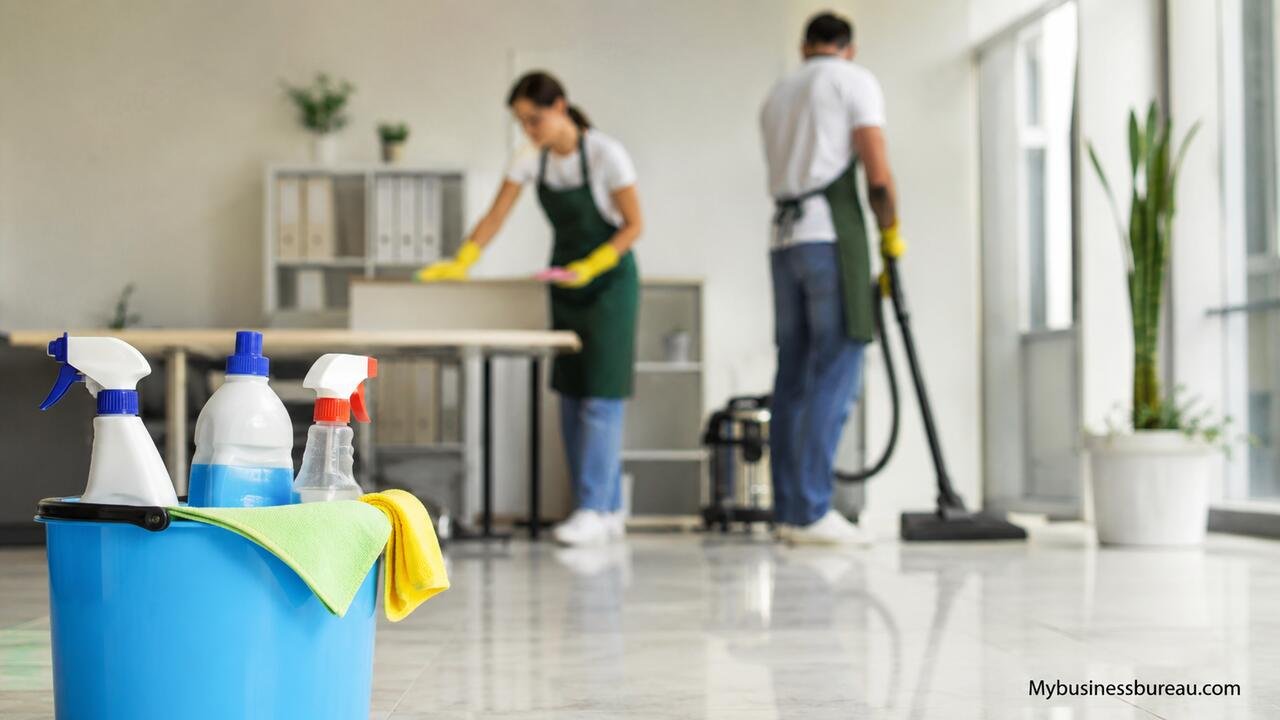
Starting a cleaning business is one of the most accessible ways to enter the service industry. The demand for residential, commercial, and specialized cleaning services remains consistent because homes, offices, retail spaces, medical facilities, and rental properties all require regular maintenance. With relatively low startup costs, flexible operating models, and opportunities for recurring revenue, a cleaning company can grow from a solo operation into a large service business.
Whether you want to provide residential cleaning, commercial janitorial services, post-construction cleanup, vacation rental turnover services, or specialty sanitation solutions, success depends on proper planning, legal compliance, efficient operations, and effective marketing. This guide explains the complete process of launching and scaling a cleaning business while building a strong reputation and a reliable customer base.
Research Your Local Cleaning Market
Before purchasing equipment or creating a business name, identify the services that customers need in your area. Local demand determines pricing, staffing requirements, service packages, and marketing strategies.
Residential cleaning often focuses on recurring weekly, biweekly, or monthly services. Commercial cleaning usually involves offices, retail stores, warehouses, schools, and healthcare facilities. Specialized niches can include carpet cleaning, window cleaning, move-in and move-out cleaning, post-construction cleaning, and vacation rental turnover services.
Study competitors and examine their service offerings, customer reviews, pricing models, and target markets. Pay attention to gaps in the market. Some areas may have many residential cleaners but few providers serving medical offices or industrial facilities.
Market research also helps estimate startup costs and revenue potential. Understanding customer expectations early reduces the likelihood of pricing mistakes and operational challenges later.
Choose a Profitable Cleaning Business Model
Selecting the right business model creates a foundation for growth and profitability. Different cleaning segments require different equipment, staffing structures, and marketing approaches.
Residential cleaning businesses typically have lower startup costs and simpler operations. Homeowners often prefer recurring service agreements, creating predictable monthly revenue. Commercial cleaning contracts may generate larger income streams but often require more staff, insurance coverage, and specialized procedures.
Many successful companies begin with one service category before expanding. A focused approach allows business owners to perfect processes, train staff effectively, and establish a strong reputation within a specific market segment.
The most common service categories include:
| Service Type | Typical Clients | Startup Cost | Revenue Potential |
| Residential Cleaning | Homeowners | Low | Moderate |
| Commercial Cleaning | Offices and Retail Stores | Moderate | High |
| Move-In/Move-Out Cleaning | Renters and Property Managers | Low | Moderate |
| Post-Construction Cleaning | Contractors | Moderate | High |
| Vacation Rental Cleaning | Property Hosts | Low | High |
| Specialty Cleaning | Healthcare, Industrial Facilities | Higher | Very High |
Create a Detailed Business Plan
A business plan transforms an idea into an organized operation. It outlines financial goals, operational procedures, marketing strategies, and growth projections.
Begin by defining your target audience. Identify whether you will serve homeowners, property managers, real estate professionals, offices, or specialized facilities. Clarify your service area and determine the geographic boundaries you can efficiently cover.
Include startup expenses such as equipment, cleaning supplies, transportation, insurance, software subscriptions, marketing materials, and licensing costs. Estimate monthly revenue targets and calculate the number of jobs required to reach profitability.
A well-developed business plan also helps secure financing if you later seek loans or investors. Organizations such as the U.S. Small Business Administration provide educational resources that can help entrepreneurs structure their plans effectively.
Register Your Cleaning Business Legally

Legal registration establishes credibility and protects your business interests. The exact requirements vary by jurisdiction, but most cleaning businesses must register with local or national authorities before operating.
Many owners choose a sole proprietorship when starting alone because it is simple and inexpensive. Others select a limited liability structure to separate personal and business liabilities.
Business registration often involves selecting a business name, obtaining tax identification numbers, and registering with relevant government agencies. In the United States, many companies obtain an Employer Identification Number from the Internal Revenue Service.
Maintaining legal compliance from the beginning prevents penalties and strengthens trust with customers, property managers, and commercial clients.
Obtain Licenses, Permits, and Insurance Coverage
Insurance is one of the most important investments for a cleaning company. Accidents, property damage, injuries, and disputes can occur even in well-managed operations.
General liability insurance helps protect against claims involving damage to customer property. Workers’ compensation coverage may be required when employees are hired. Commercial vehicle insurance may be necessary if business vehicles are used regularly.
Some locations require permits or licenses for cleaning services, particularly when chemicals or specialized sanitation procedures are involved. Commercial contracts may also require proof of insurance before work begins.
Clients often view insured businesses as more trustworthy and professional. Having adequate coverage can become a competitive advantage during the sales process.
Set Competitive Pricing for Your Services
Pricing affects profitability, customer acquisition, and long-term sustainability. Setting rates too low can create financial challenges, while excessive pricing may reduce competitiveness.
Many cleaning businesses use one of three pricing methods:
- Hourly pricing
- Flat-rate pricing
- Square-foot pricing
Residential services often use flat-rate packages because customers prefer predictable costs. Commercial contracts frequently rely on square footage, service frequency, and facility requirements.
When calculating rates, consider:
- Labor costs
- Cleaning supplies
- Transportation expenses
- Equipment depreciation
- Insurance expenses
- Administrative costs
- Desired profit margin
The goal is to create pricing that supports growth while remaining attractive to customers. Regularly review rates as labor costs and supply expenses change.
Purchase Professional Cleaning Equipment and Supplies
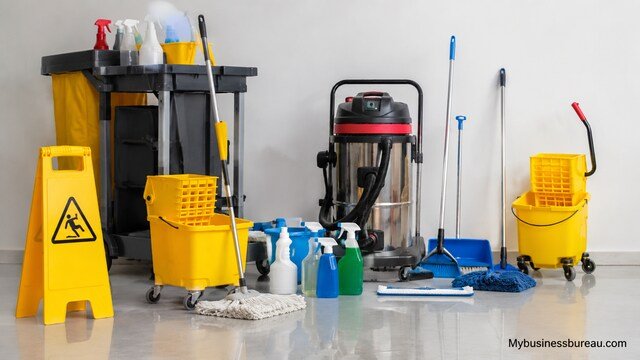
Reliable equipment improves efficiency, cleaning quality, and customer satisfaction. Investing in durable tools reduces maintenance costs and increases productivity.
Basic cleaning equipment usually includes vacuum cleaners, microfiber cloths, mops, buckets, dusters, extension poles, protective gloves, and disinfectants. Commercial operations may require floor scrubbers, extraction machines, pressure washers, and specialized sanitation equipment.
Cleaning products should be selected based on the surfaces and environments being serviced. Residential clients may prefer eco-friendly products, while commercial facilities often prioritize performance and compliance requirements.
Organizations such as the Environmental Protection Agency publish information regarding cleaning chemicals and environmental considerations that can assist businesses in selecting appropriate products.
Build Efficient Cleaning Systems and Standard Procedures
Consistent service quality depends on documented processes. Standard operating procedures help ensure that every property receives the same level of attention regardless of which team member performs the work.
Create detailed cleaning checklists for each service type. Include room-specific tasks, inspection procedures, equipment requirements, and quality-control standards.
Systems should cover scheduling, customer communication, invoicing, inventory management, and employee training. As the company grows, documented procedures reduce confusion and improve accountability.
Well-designed systems also simplify onboarding new employees and make scaling operations significantly easier.
Develop a Strong Brand Identity
Branding influences how potential customers perceive your business. A professional brand creates trust before a customer ever requests a quote.
Choose a business name that is memorable, easy to pronounce, and relevant to cleaning services. Design a logo that works across websites, uniforms, vehicles, invoices, and social media profiles.
Brand consistency should extend to customer communications, uniforms, business cards, and marketing materials. Consistent presentation signals professionalism and reliability.
A strong brand helps distinguish your company from competitors, particularly in crowded markets where customers have many service options.
Create a Professional Website and Online Presence
Modern customers often search online before contacting service providers. A professional website serves as a digital storefront and a lead-generation tool.
Include service descriptions, pricing information when appropriate, customer testimonials, service areas, contact forms, and booking options. Clear calls to action encourage visitors to request estimates.
Search engine optimization can help your website appear for local searches related to cleaning services. Target phrases associated with your city, neighborhood, and service specialties.
An effective online presence should also include business profiles, review platforms, and social media channels. Positive online reviews significantly influence purchasing decisions in the cleaning industry.
Generate Your First Cleaning Clients
Client acquisition is often the biggest challenge during the startup phase. A combination of digital marketing and local networking usually produces the best results.
Start by informing friends, family members, property managers, real estate professionals, and local business owners about your services. Personal referrals frequently become the first source of revenue.
Online advertising can target specific geographic areas and demographics. Social media platforms allow businesses to showcase before-and-after results, cleaning tips, and customer testimonials.
Local partnerships can also create recurring referral opportunities. Real estate agents, apartment managers, contractors, and vacation rental hosts frequently require reliable cleaning services.
Focus on building relationships rather than pursuing one-time transactions. Long-term customers generate significantly more value than individual cleaning jobs.
Hire and Train Reliable Employees
Many cleaning businesses begin as owner-operated companies but eventually require additional staff. Hiring dependable employees becomes essential for scaling operations.
Look for candidates who demonstrate punctuality, attention to detail, professionalism, and trustworthiness. Technical cleaning skills can often be taught more easily than reliability and customer service skills.
Training programs should cover:
| Training Area | Purpose |
| Cleaning Procedures | Ensure consistent service quality |
| Safety Standards | Reduce accidents and injuries |
| Customer Service | Improve client satisfaction |
| Chemical Handling | Promote safe product usage |
| Equipment Operation | Prevent damage and inefficiency |
| Security Protocols | Protect customer property |
Employee retention is equally important. Competitive compensation, recognition programs, and supportive management practices help reduce turnover.
Implement Scheduling and Business Management Software
Technology streamlines administrative tasks and improves customer experiences. Scheduling software can automate appointments, reminders, route planning, invoicing, and payment processing.
Cloud-based systems provide visibility into employee schedules, customer histories, recurring services, and financial performance. Automation reduces manual work and minimizes errors.
Many cleaning businesses integrate booking systems directly into their websites, allowing customers to request services online. This convenience can increase conversion rates and improve operational efficiency.
As the business grows, technology becomes increasingly valuable for managing larger customer bases and multiple teams.
Deliver Exceptional Customer Service
Customer retention is one of the strongest drivers of profitability. Acquiring new clients generally costs more than retaining existing ones.
Respond quickly to inquiries, arrive on time, communicate clearly, and address concerns professionally. Customers value reliability as much as cleaning quality.
Follow-up messages after appointments can identify issues before they become negative reviews. Requesting feedback demonstrates commitment to service improvement.
Exceptional customer service often generates referrals, online reviews, and long-term contracts. A reputation for reliability can become one of the company’s most valuable assets.
Expand Into Higher-Value Cleaning Services
Once core operations are stable, consider adding complementary services. Expansion can increase revenue without requiring a completely new customer base.
Popular service additions include carpet cleaning, window cleaning, pressure washing, floor maintenance, sanitization services, and organization assistance.
Commercial clients may require daytime porter services, janitorial contracts, or specialized facility maintenance. Property managers often seek vendors capable of handling multiple cleaning needs through a single provider.
Carefully evaluate equipment requirements, training needs, and profit margins before introducing new services. Strategic expansion typically produces better results than rapid diversification.
Monitor Financial Performance and Improve Profitability
Financial management determines whether a cleaning business grows sustainably. Revenue alone does not guarantee profitability.
Track key performance indicators such as:
- Revenue per client
- Customer retention rate
- Labor costs
- Profit margins
- Marketing return on investment
- Average job value
- Employee productivity
Regular financial reviews reveal opportunities to increase efficiency and eliminate waste. Small improvements in scheduling, pricing, or supply management can significantly impact profits.
Reinvesting profits into equipment, training, marketing, and technology can accelerate long-term growth while maintaining service quality.
Conclusion
Starting a cleaning business offers a practical path to entrepreneurship with relatively low barriers to entry and substantial growth potential. Success depends on understanding your market, selecting the right services, establishing legal compliance, implementing efficient systems, and consistently delivering exceptional results.
A strong business plan, professional branding, effective marketing, and reliable customer service create a foundation for sustainable growth. As your reputation expands, recurring customers, referrals, and commercial contracts can transform a small operation into a thriving cleaning company. By focusing on quality, consistency, and operational excellence, you can build a cleaning business that generates dependable income and long-term value.
Visit mybusinessbureau.com for expert business insights and smart growth strategies.
FAQ’s
Many residential cleaning businesses can start with a few hundred to a few thousand dollars, depending on equipment, insurance, transportation, and licensing requirements.
Yes. Profitability depends on pricing, labor management, customer retention, and operational efficiency. Recurring clients often provide the strongest profit potential.
Residential cleaning is generally easier and less expensive to enter. Commercial cleaning often offers larger contracts but may require additional staffing, insurance, and operational capabilities.
Insurance is strongly recommended and is often required for commercial contracts. General liability coverage is one of the most common policies for cleaning companies.
Personal referrals, local networking, online business profiles, social media marketing, partnerships with property managers, and targeted advertising are effective ways to attract initial customers.
Yes. Many cleaning companies begin as solo operations. As demand grows, owners often hire employees or subcontractors to increase capacity and expand service offerings.


