


Introduction
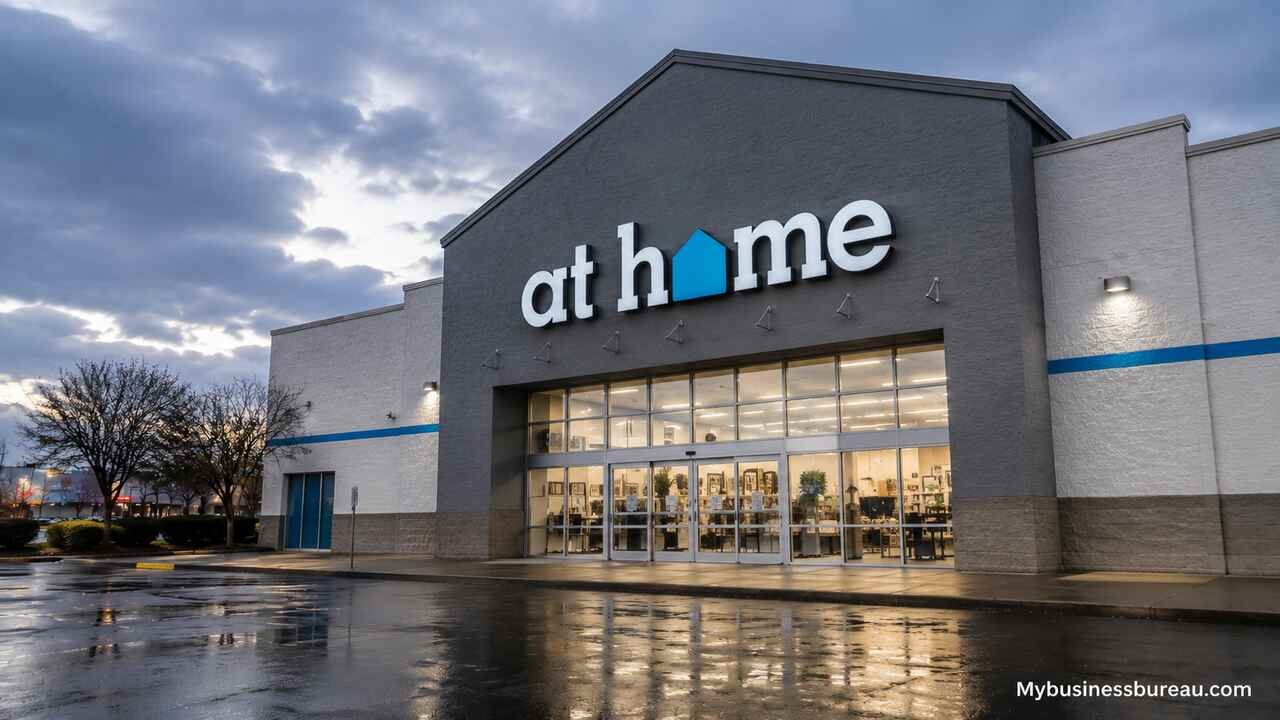
When shoppers search for “is At Home going out of business,” they are usually trying to understand whether the popular home décor retailer will disappear entirely or simply undergo changes. Recent bankruptcy filings, store closures, and restructuring announcements have created uncertainty among customers, employees, suppliers, and investors. While the company has faced significant financial challenges, the complete picture is more nuanced than many headlines suggest.
The home furnishings industry has experienced major disruption from inflation, changing consumer spending habits, supply chain costs, tariffs, and increased competition from online retailers. Like many large retail chains, At Home has had to adapt to these pressures while managing a substantial debt load. Understanding the company’s current situation requires examining its bankruptcy proceedings, store closure plans, financial restructuring efforts, competitive position, and long-term strategy.
This guide explains the latest developments surrounding At Home, helping readers determine whether the retailer is truly going out of business or simply restructuring for the future.
Review At Home’s Current Business Status
The most accurate answer is that At Home is not completely going out of business, but it has undergone a significant financial restructuring. The company filed for Chapter 11 bankruptcy protection as part of a plan to reduce debt and stabilize operations.
Rather than liquidating all assets and shutting down every location, the retailer used bankruptcy proceedings to reorganize its finances. This process allowed the company to continue operating while negotiating with lenders and restructuring obligations. According to company statements, the objective was to strengthen operations rather than permanently cease business activities.
For shoppers, this distinction is important. A liquidation bankruptcy typically signals the end of a company, whereas a restructuring bankruptcy is intended to help a business survive. At Home’s case falls into the restructuring category, meaning most stores remained operational while the company worked through financial challenges.
Examine the Bankruptcy Filing and Restructuring Plan
At Home entered Chapter 11 bankruptcy after facing nearly $2 billion in debt alongside mounting economic pressures. Company leadership cited tariffs, inflation, and changing retail conditions as major factors affecting profitability.
The restructuring process involved negotiations with lenders holding the majority of the company’s debt. Through these agreements, ownership transitioned largely to lender groups while substantial debt obligations were eliminated. This approach gave the retailer an opportunity to improve financial flexibility and continue serving customers.
Many major retailers have used similar restructuring methods over the years. The goal is often to reduce financial burdens, preserve jobs, maintain supplier relationships, and improve long-term viability. While bankruptcy creates uncertainty, it does not automatically indicate a complete shutdown.
Bankruptcy Impact Summary
| Area | Before Restructuring | After Restructuring |
| Debt Burden | Nearly $2 billion | Significantly reduced |
| Ownership | Previous ownership structure | Lender-led ownership |
| Store Operations | Nationwide network | Majority remain open |
| Financing | Financial strain | New financing support |
| Future Strategy | Debt-focused recovery | Growth and stabilization |
The company also secured additional financing during restructuring, providing resources to continue operations and invest in future improvements.
Identify Which Stores Are Closing
One of the main reasons customers believe At Home is going out of business is the announcement of store closures. The company initially announced plans to close underperforming locations and later expanded some closure plans as restructuring progressed.
Store closures are often part of a broader retail optimization strategy. Companies evaluate lease costs, sales performance, local competition, operating expenses, and market potential before deciding whether to maintain a location.
Several regions experienced closures because certain stores were not generating sufficient revenue to justify continued operation. The retailer stated that some locations were operating below expected performance levels.
Consumers should understand that closing specific stores does not necessarily indicate a complete company shutdown. Large chains frequently close underperforming branches while investing in stronger markets.
Verify Whether Your Local Store Remains Open
Customers concerned about nearby locations should verify the status of their specific store rather than relying on national headlines. Many At Home locations remain operational across numerous states despite restructuring efforts.
Store status can vary depending on market conditions, lease agreements, and regional performance. Some locations continue operating normally while others have been selected for closure.
Checking local store information is especially important because bankruptcy-related news often receives widespread coverage, creating the impression that every location is affected. In reality, the majority of stores survived the initial restructuring process.
Consumers can monitor:
- Local store announcements
- Company communications
- Customer service updates
- Regional news reports
- Store locator information
These sources provide more accurate information than generalized rumors circulating online.
Analyze the Factors That Led to Financial Challenges
Several interconnected factors contributed to At Home’s financial difficulties. Understanding these factors provides insight into whether the retailer can survive long term.
Inflation
Inflation increased operating expenses across the retail industry. Transportation costs, labor expenses, inventory acquisition, and facility maintenance became more expensive, placing pressure on profit margins.
Tariffs
Tariffs significantly affected retailers that rely on imported merchandise. Since home décor products often originate from international suppliers, increased import costs created additional financial strain.
Consumer Spending Changes
Home décor purchases are often discretionary rather than essential. During periods of economic uncertainty, consumers may postpone decorating projects or reduce spending on furnishings and accessories.
Debt Obligations
Large debt burdens limited financial flexibility. Significant interest obligations can make it difficult for retailers to invest in growth, technology, marketing, and customer experience improvements.
Industry Competition
The home goods market has become increasingly competitive due to online retailers, discount chains, warehouse clubs, and specialized furniture brands.
Compare At Home With Other Retailers Facing Similar Challenges
At Home is not alone in facing retail-sector disruption. Numerous retailers have announced closures, restructuring plans, or bankruptcy filings in recent years.
The broader retail landscape has changed significantly due to e-commerce growth and evolving consumer preferences. Many chains are reducing physical footprints while expanding digital capabilities.
Retail Industry Pressures
| Challenge | Impact on Retailers |
| Inflation | Higher operating costs |
| E-commerce Competition | Reduced store traffic |
| Tariffs | Increased inventory costs |
| Interest Rates | Higher financing expenses |
| Consumer Caution | Lower discretionary spending |
| Supply Chain Disruptions | Inventory challenges |
These pressures affect businesses across multiple retail categories, including apparel, furniture, home décor, electronics, and department stores.
The fact that At Home faced challenges similar to many other retailers suggests its situation reflects broader industry conditions rather than a unique business failure.
Evaluate At Home’s Competitive Advantages
Despite financial challenges, At Home maintains several strengths that could support future growth.
Large Product Selection
The retailer is known for offering extensive home décor assortments, including:
- Furniture
- Wall décor
- Rugs
- Seasonal merchandise
- Outdoor furnishings
- Storage solutions
This broad inventory helps attract customers seeking one-stop shopping for home improvement projects.
Large-Format Stores
Many locations feature expansive layouts capable of displaying thousands of products. This format creates a warehouse-style shopping experience that differentiates At Home from smaller décor retailers.
Value-Oriented Positioning
At Home competes partly through affordable pricing and broad assortment. This strategy appeals to budget-conscious shoppers seeking decorative products without premium pricing.
Brand Recognition
Years of operation have established consumer familiarity in many markets. Brand recognition can be valuable during restructuring because customers already understand the company’s product offerings.
These strengths may help support long-term recovery efforts.
Monitor Changes in Store Operations and Inventory

Consumers often notice operational changes during restructuring periods. These changes may include inventory adjustments, promotional events, liquidation sales at selected stores, and modifications to purchasing strategies.
Closing locations typically conduct clearance events to reduce inventory before shutdown. Meanwhile, continuing locations generally maintain normal operations while benefiting from reorganized supply chains and financial structures.
Shoppers may also observe:
- Expanded discount promotions
- Inventory rationalization
- Revised merchandising strategies
- Increased focus on profitable categories
- Operational efficiency initiatives
Such changes are common during retail turnarounds and do not necessarily indicate a company’s imminent closure.
Assess the Company’s Post-Bankruptcy Recovery Efforts
Emerging from bankruptcy is only the first step toward long-term success. At Home’s future depends on its ability to improve performance after restructuring.
The company exited bankruptcy with substantially reduced debt and access to new financing resources. These developments provide a stronger foundation for recovery.
Key recovery initiatives may include:
- Improving inventory management
- Strengthening vendor relationships
- Enhancing customer experience
- Optimizing store portfolios
- Increasing operational efficiency
- Expanding profitable product categories
Companies that successfully complete these initiatives often emerge stronger than before bankruptcy.
The effectiveness of these efforts will determine whether At Home can achieve sustained profitability in a highly competitive market.
Understand What Bankruptcy Means for Customers
Customers often worry about gift cards, returns, warranties, loyalty programs, and future purchases when a retailer enters bankruptcy.
In most restructuring situations, companies continue serving customers while honoring existing obligations whenever possible. At Home’s restructuring was designed to preserve ongoing operations rather than eliminate customer relationships.
Customers should still monitor company announcements regarding:
- Return policies
- Gift card acceptance
- Rewards programs
- Promotional offers
- Warranty support
Maintaining customer confidence is critical during any restructuring process.
Businesses that emerge successfully from bankruptcy often place significant emphasis on retaining customer loyalty throughout the transition period.
Follow Industry Trends Affecting At Home’s Future
Several market trends will influence At Home’s long-term outlook.
Home Improvement Spending
Housing activity often affects home décor demand. When consumers buy homes, renovate properties, or upgrade living spaces, retailers benefit from increased spending.
E-Commerce Growth
Online shopping continues to reshape retail. Successful companies increasingly integrate physical stores with digital experiences.
Supply Chain Modernization
Efficient inventory management and sourcing strategies have become competitive advantages.
Consumer Value Focus
Many shoppers seek affordability due to ongoing economic uncertainty. Retailers offering attractive pricing may benefit from this trend.
Seasonal Merchandise Demand
Seasonal categories often generate strong sales opportunities for home décor retailers, particularly during holidays and major decorating periods.
Companies that adapt effectively to these trends typically improve their chances of long-term success.
Determine Whether At Home Is Truly Going Out of Business
After examining the available information, the evidence suggests that At Home is not entirely going out of business. The company experienced bankruptcy, closed selected stores, restructured debt, and changed ownership arrangements, but it continues operating a substantial retail network.
Many headlines focused on bankruptcy filings and store closures, leading consumers to assume a complete shutdown was imminent. However, restructuring was designed to preserve operations rather than liquidate the company.
The distinction matters because a retailer can close dozens of stores while still maintaining a significant national presence. At Home’s actions align more closely with strategic restructuring than total business dissolution.
Future performance remains dependent on management execution, consumer demand, economic conditions, and competitive pressures. Nevertheless, available information indicates the company continues to operate and pursue recovery rather than immediate closure.
Conclusion
At Home has faced substantial financial challenges, including heavy debt, inflationary pressures, tariffs, and changing consumer behavior. These issues ultimately led the retailer to file for Chapter 11 bankruptcy and close a number of underperforming stores. However, bankruptcy did not signal the end of the company.
Instead, At Home used restructuring to reduce debt, secure new financing, and continue operating most of its locations. While some stores have closed and further adjustments may occur, the retailer remains active in the marketplace and continues serving customers across the United States. Current evidence suggests that At Home is restructuring for survival rather than going completely out of business.
Visit mybusinessbureau.com for expert business insights and smart growth strategies.
FAQ’s
No. At Home underwent bankruptcy restructuring and closed certain locations, but the company continues operating many stores nationwide.
Yes. The retailer filed for Chapter 11 bankruptcy as part of a debt restructuring effort.
The company initially announced 26 store closures, with additional closure activity occurring during restructuring.
Yes. Most stores remained operational throughout and after the restructuring process.
Major factors included debt obligations, inflation, tariffs, rising operating costs, and competitive retail conditions.
Not necessarily. Chapter 11 bankruptcy is often used to reorganize finances and continue operations rather than shut down permanently. Many companies successfully emerge from restructuring and remain in business.
