


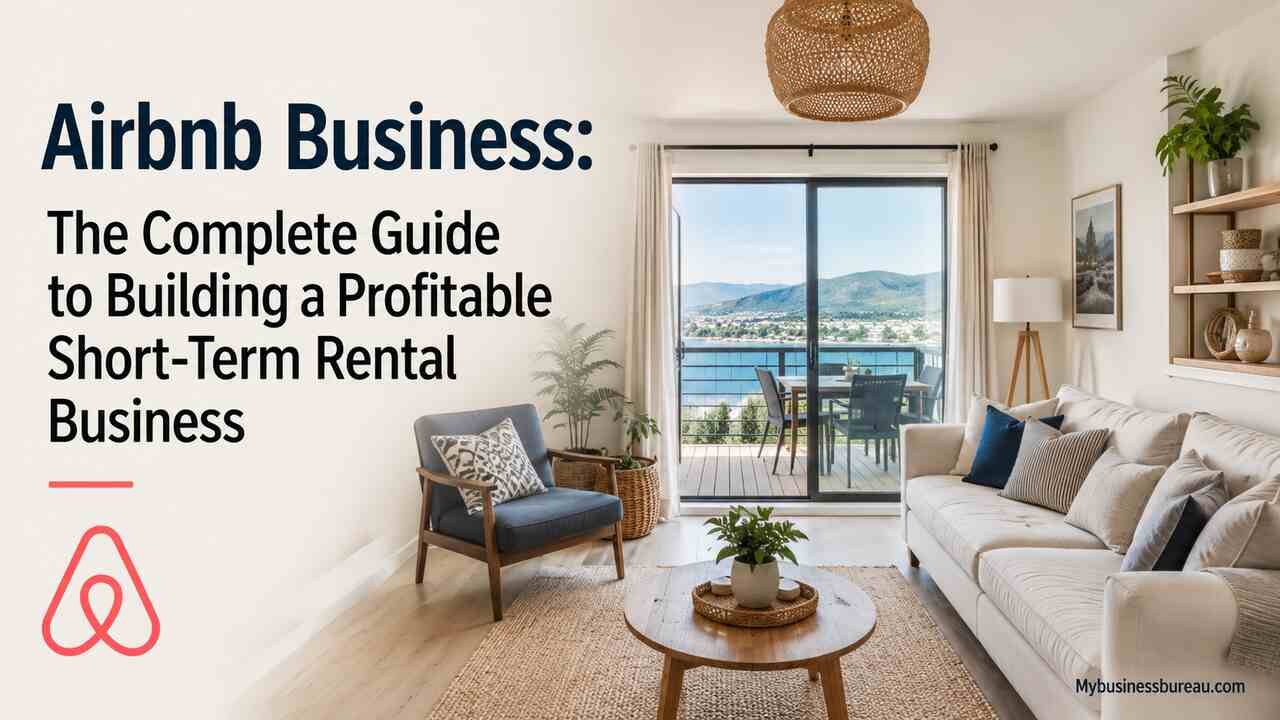
Starting an Airbnb business has become one of the most popular ways to generate income through real estate, hospitality, and property management. Whether you own a home, lease apartments, or manage vacation rentals for property owners, Airbnb provides access to millions of travelers searching for unique accommodations worldwide. Success, however, depends on much more than simply listing a property. It requires careful planning, legal compliance, effective pricing, exceptional guest experiences, and efficient operations.
The short-term rental industry continues to evolve as travelers increasingly prefer homes, apartments, cabins, and boutique accommodations instead of traditional hotels. Hosts who understand market demand, optimize their listings, automate operations, and consistently deliver outstanding service are positioned to build sustainable businesses that generate recurring revenue.
This guide explains every major step involved in building a successful Airbnb business, from selecting the right property and preparing listings to managing guests, increasing occupancy rates, and scaling into a multi-property operation.
Choose the Right Business Model
Every successful Airbnb business begins by selecting a business model that matches your budget, experience, and long-term goals.
The most common model involves renting out a primary residence or an investment property. Others purchase vacation homes specifically for short-term rentals, while many entrepreneurs use rental arbitrage, leasing apartments with landlord approval before listing them on Airbnb. Property management has also become a profitable option where hosts manage listings for homeowners in exchange for a percentage of booking revenue.
Each approach requires different levels of investment and risk. Owning property provides long-term appreciation but demands significant capital. Rental arbitrage reduces upfront costs but depends on favorable lease agreements. Property management offers scalability without purchasing real estate, although maintaining owner relationships becomes essential.
Before choosing a model, calculate expected expenses, occupancy rates, seasonal demand, cleaning costs, taxes, insurance, maintenance, and projected cash flow. A profitable business depends on balancing income with operating expenses rather than focusing solely on nightly rates.
| Business Model | Initial Investment | Risk Level | Scalability | Best For |
| Primary Residence | Low | Low | Limited | Beginners |
| Investment Property | High | Medium | High | Long-term investors |
| Rental Arbitrage | Medium | Medium | High | Entrepreneurs |
| Property Management | Low | Low | Very High | Service businesses |
Research Local Market Demand
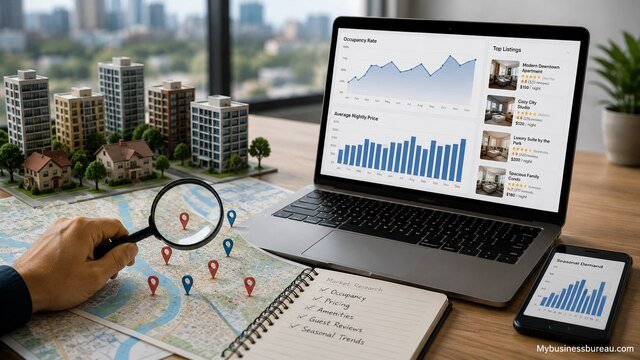
Understanding local demand helps determine whether a property can remain occupied throughout the year.
Analyze nearby listings by examining occupancy levels, pricing, guest reviews, amenities, and seasonal trends. Cities with strong tourism, business travel, hospitals, universities, convention centers, and recreational attractions generally experience higher booking demand.
Study competitors carefully. Compare nightly prices during weekdays, weekends, holidays, and peak travel seasons. Observe which listings receive hundreds of reviews because review volume often reflects strong booking performance over time.
Market research should also include future developments. Infrastructure projects, entertainment venues, airports, and business districts can significantly increase demand for short-term accommodations over several years.
Verify Local Regulations and Licensing
Operating legally protects your business from costly penalties and unexpected shutdowns.
Many municipalities regulate short-term rentals through permits, zoning restrictions, registration requirements, occupancy limits, and safety inspections. Some neighborhoods restrict vacation rentals altogether, while homeowner associations may prohibit them entirely.
Review tax obligations before accepting guests. Many hosts must collect occupancy taxes, lodging taxes, tourism taxes, or sales taxes depending on local regulations. Business licenses, insurance policies, and fire safety compliance are equally important components of legal operation.
Remaining informed about changing regulations ensures long-term stability because short-term rental laws continue evolving in many markets.
Purchase or Lease the Ideal Property
Property selection influences profitability more than almost any other decision.
Choose locations that consistently attract visitors. Beach communities, mountain destinations, city centers, medical districts, university towns, and business hubs generally maintain steady demand.
Inside the property, focus on practical layouts. Guests value comfortable bedrooms, modern kitchens, quality bathrooms, dedicated workspaces, reliable internet, and convenient parking. Families often prefer larger homes, while solo travelers frequently select studios or one-bedroom apartments.
Future appreciation should also influence purchasing decisions. A property generating rental income while increasing in market value creates multiple streams of financial return.
Prepare the Property for Guests

Guest satisfaction starts long before the first reservation arrives.
Deep cleaning, fresh paint, attractive furniture, comfortable mattresses, quality linens, and thoughtful décor immediately improve first impressions. Functional kitchens equipped with cookware, coffee makers, utensils, and basic pantry items increase guest convenience.
Technology also enhances the experience. Smart locks simplify self check-in, while smart thermostats improve energy efficiency. Fast Wi-Fi has become one of the highest-rated amenities among travelers, particularly digital nomads and remote workers.
Small touches such as local guidebooks, welcome snacks, bottled water, and clear instructions often generate better reviews and repeat bookings.
Create an Optimized Airbnb Listing
An effective listing combines persuasive writing with accurate information.
Use a compelling title highlighting unique selling points such as scenic views, luxury amenities, convenient locations, or family-friendly features. The property description should clearly explain accommodations, sleeping arrangements, amenities, neighborhood advantages, and transportation options.
Professional photography dramatically improves booking performance. Bright, high-resolution images showcasing every room, outdoor spaces, and nearby attractions encourage prospective guests to explore the listing further.
Complete every available section within the listing platform. Accurate amenities, accessibility features, house rules, cancellation policies, and check-in procedures reduce guest uncertainty before booking.
Set Competitive Pricing Strategies
Pricing directly affects occupancy and profitability.
Begin by researching comparable listings with similar sizes, locations, and amenities. Avoid simply choosing the lowest price because guests often associate extremely low rates with lower quality.
Dynamic pricing allows rates to adjust automatically according to demand, local events, holidays, seasonality, and booking pace. Premium pricing may be appropriate during festivals, conferences, sporting events, and vacation periods.
Consider all operating expenses before setting rates, including cleaning fees, utilities, maintenance, platform fees, insurance, mortgage payments, taxes, and replacement costs.
| Pricing Factor | Effect on Revenue |
| Weekend Rates | Higher earnings |
| Holidays | Premium pricing |
| Local Events | Increased occupancy |
| Longer Stays | Reduced turnover costs |
| Last-Minute Discounts | Fills vacancies |
| Seasonal Pricing | Maximizes annual income |
Deliver Outstanding Guest Experiences
Exceptional hospitality creates repeat customers and positive reviews.
Respond quickly to inquiries, provide clear communication before arrival, and offer simple self-check-in instructions. Guests appreciate detailed house manuals explaining Wi-Fi access, appliance usage, parking, local restaurants, emergency contacts, and checkout procedures.
Address issues promptly. Whether replacing a broken appliance or answering late-night questions, responsive service often transforms potential complaints into positive reviews.
Personalized hospitality strengthens guest loyalty. Celebrating birthdays, recommending local attractions, or providing neighborhood dining suggestions demonstrates genuine care without requiring significant additional expense.
Manage Cleaning and Maintenance Efficiently
Cleanliness consistently ranks among the most important factors affecting guest satisfaction.
Develop standardized cleaning checklists covering every room, appliance, and frequently touched surface. Professional cleaners often improve consistency while allowing hosts to focus on business growth.
Routine maintenance prevents expensive repairs. Inspect plumbing, heating systems, electrical equipment, furniture, smoke detectors, and appliances between reservations whenever possible.
Inventory management also matters. Maintain backup linens, towels, toiletries, kitchen supplies, batteries, light bulbs, and replacement household items to minimize operational disruptions.
Build a Strong Review Profile
Reviews strongly influence future bookings.
Encourage guests to leave reviews by providing exceptional service throughout their stay. Friendly communication before arrival, during occupancy, and after checkout increases review participation without appearing intrusive.
Respond professionally to every review. Thank guests for positive comments while addressing constructive criticism respectfully and outlining improvements when necessary.
A consistent record of high ratings builds trust among prospective guests, increasing booking conversion rates and allowing greater pricing flexibility.
Automate Daily Operations
Automation reduces repetitive work while improving consistency.
Property management software centralizes reservations, messaging, pricing, calendars, cleaning schedules, and financial reporting. Automated guest communication saves time by sending confirmation emails, check-in instructions, reminder messages, and checkout procedures without manual intervention.
Smart locks eliminate physical key exchanges while providing temporary access codes for each reservation. Integrated calendars also prevent double bookings across multiple booking platforms.
As the business grows, automation becomes increasingly valuable because manual management becomes difficult across several properties.
Expand Beyond a Single Property
Scaling requires systematic processes rather than simply acquiring more listings.
Document standard operating procedures for guest communication, maintenance, pricing, cleaning, inspections, accounting, and emergency response. Consistent systems maintain quality across every property.
Many successful operators expand through partnerships with homeowners seeking professional management. Others reinvest profits into purchasing additional vacation rentals or commercial hospitality properties.
Hiring cleaners, maintenance technicians, virtual assistants, photographers, and customer support staff allows owners to focus on strategic growth instead of daily operational tasks.
Strengthen Marketing Beyond Airbnb
Diversifying marketing channels reduces dependence on one booking platform.
Create a professional website featuring property photos, amenities, availability calendars, and direct booking options. Search engine optimization helps attract travelers researching accommodations before choosing a booking platform.
Social media marketing showcases unique property features, seasonal promotions, local attractions, guest experiences, and behind-the-scenes improvements. Email marketing also encourages repeat bookings by informing previous guests about discounts and special events.
Partnering with local tourism organizations, wedding venues, hospitals, universities, and event planners expands referral opportunities throughout the year.
Monitor Financial Performance Regularly
Long-term profitability depends on careful financial management.
Track occupancy rate, average daily rate, revenue per available night, cleaning expenses, maintenance costs, marketing expenses, insurance, taxes, utilities, and operating margins. Monthly financial reports identify trends before they become serious problems.
Reserve emergency funds for unexpected repairs, seasonal slowdowns, or major appliance replacements. Budgeting helps maintain cash flow throughout changing market conditions.
Annual performance reviews also reveal opportunities for renovation, expansion, pricing adjustments, or operational improvements that increase future profitability.
Adapt to Changing Travel Trends
The short-term rental market continues to evolve alongside traveler expectations.
Remote workers increasingly seek accommodations equipped with ergonomic workspaces and high-speed internet for extended stays. Families prioritize fully equipped kitchens, laundry facilities, and spacious living areas, while luxury travelers often expect premium amenities such as private pools, hot tubs, outdoor entertainment spaces, and concierge-style service.
Sustainability is also becoming more important. Energy-efficient appliances, recycling programs, refillable toiletries, and environmentally responsible cleaning products appeal to many guests while reducing operating costs over time.
Hosts who continually evaluate guest feedback and market trends are more likely to remain competitive and maintain strong occupancy even as traveler preferences change.
Conclusion
Building a successful Airbnb business requires much more than listing a property online. Careful market research, legal compliance, strategic pricing, exceptional hospitality, efficient operations, and consistent financial management all contribute to long-term success. Whether you begin with a spare room, a vacation home, rental arbitrage, or property management services, creating memorable guest experiences and maintaining professional standards will help establish a reliable reputation.
As your systems become more refined, expanding into additional properties or management contracts becomes significantly easier. By combining thoughtful planning with continuous improvement, an Airbnb business can evolve into a scalable and sustainable source of income that benefits both guests and property owners.
FAQ’s
The required investment depends on your business model. Renting out an existing home may require only furnishing and preparation costs, while purchasing an investment property can require a substantial down payment, closing costs, and renovation expenses.
Rental arbitrage can be legal if your lease agreement explicitly permits short-term rentals and local regulations allow them. Always obtain written approval from the property owner before listing the property.
Use dynamic pricing, improve listing quality, respond quickly to inquiries, maintain excellent reviews, offer discounts for longer stays, and market your property through multiple channels to attract guests during slower seasons.
High-speed Wi-Fi, self check-in, comfortable beds, fully equipped kitchens, dedicated workspaces, air conditioning, free parking, laundry facilities, and pet-friendly options are among the amenities that frequently influence booking decisions.
Managing cleaning yourself can reduce expenses when starting out, but professional cleaners often provide more consistent quality and save time as your booking volume increases or your portfolio expands.
Yes. Many entrepreneurs begin with a single listing and gradually grow into managing multiple properties, offering co-hosting services, or operating full-scale short-term rental management companies. Success depends on strong systems, excellent customer service, and careful financial planning.
